Buying a home in Westchester County, NY, can be competitive and complicated. How do you make your offer stand out? What should you look for during a home inspection? And why do some transactions fall apart after mortgage pre-approval?
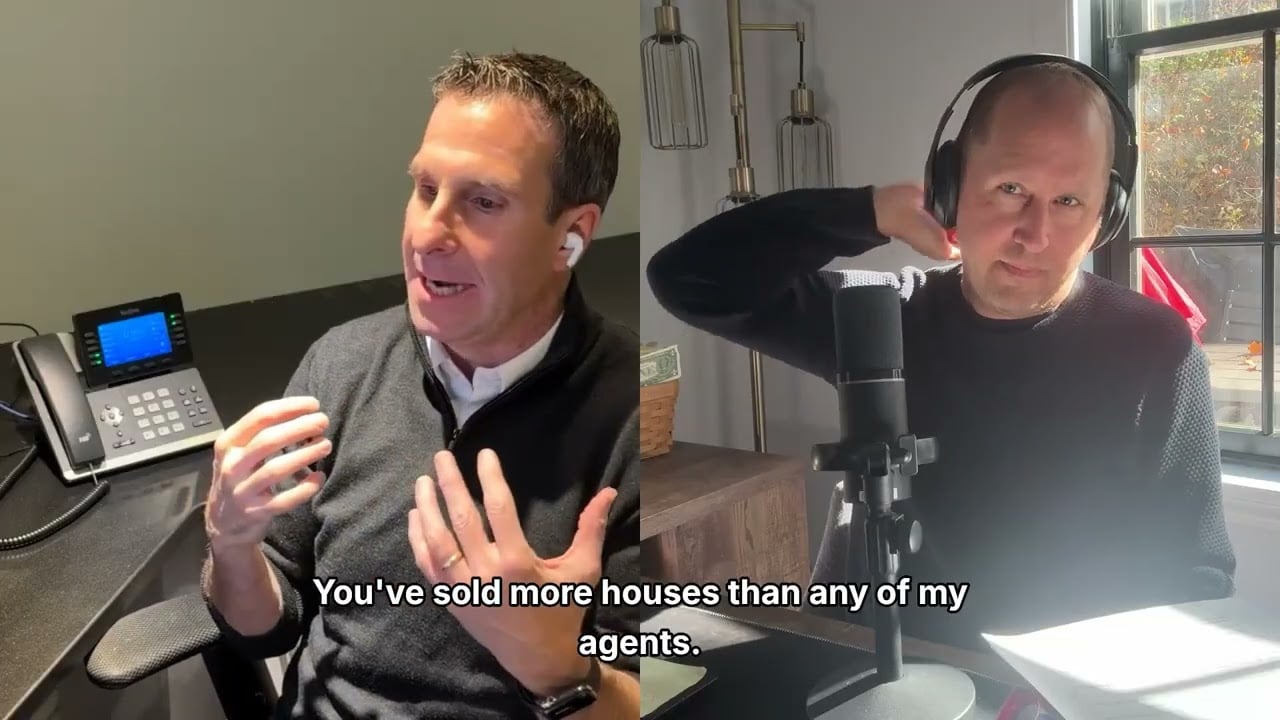
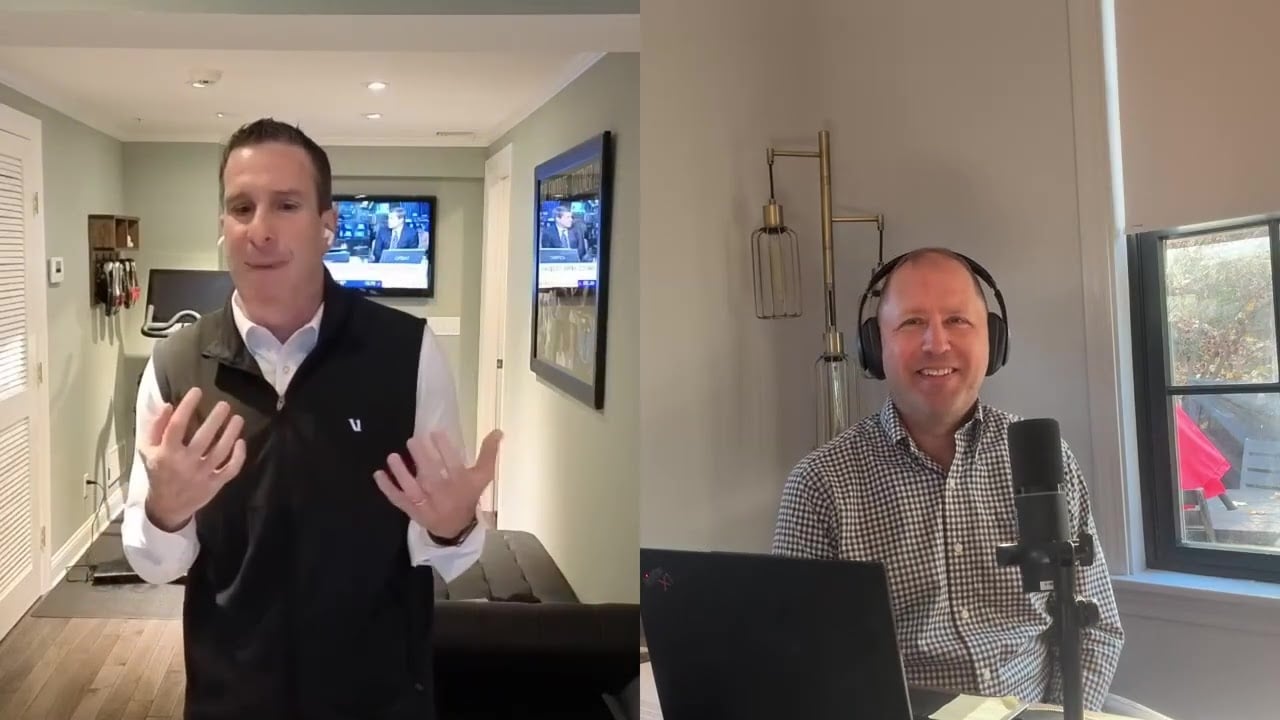
In Episode 2 of the NestEdge Realty Podcast, founder and principal broker Matthew Gluck sits down with real estate professional Jamie Fosgate to share practical advice on buying and selling homes in Westchester County, New York.
Drawing on nearly a decade of experience and hundreds of transactions, Matthew and Jamie discuss how buyers can compete, sellers can negotiate effectively, and both sides can avoid costly mistakes.
Mortgage Pre-Approvals and Winning Offers
Why buyers should arrange financing before touring homes, how mortgage preparation helps buyers compete against cash offers, and the risks of waiving mortgage contingencies.
What Your Buyer's Agent Should Actually Do
A great buyer's agent shouldn't be trying to sell you a house. Their job is to protect your interests, identify problems, evaluate property conditions, and help you make informed decisions.
Home Inspections: What Matters and What Doesn't
Not every issue in an inspection report should derail a transaction. We discuss roofs, foundations, electrical systems, septic systems, water intrusion, and mold, including when to request repairs versus negotiating credits.
Why Sellers Should Consider Pre-Listing Inspections
Identifying problems before listing can prevent surprises, build buyer confidence, and reduce difficult negotiations.
Why the Right Real Estate Team Matters
Your agent, mortgage lender, attorney, and inspector all play important roles. Experienced local professionals working together can make a significant difference when deadlines are tight.
Why Mortgage Financing Falls Apart
Buyers can jeopardize mortgage approval by financing furniture, leasing a car, opening credit accounts, or changing employment. Maintaining financial stability until closing is essential.
Multiple Offers, Best and Final, and Negotiations
Is the highest offer always the best? Should sellers automatically request best and final offers? We explore how price, contingencies, closing timelines, relationships, and negotiation strategies influence successful offers.
The Importance of Local Market Knowledge
From Chappaqua and Scarsdale to communities throughout Westchester County, understanding recent sales, pending transactions, and neighborhood competition can give buyers and sellers an advantage.
Our Philosophy at Nestedge Realty
We believe real estate agents should be service professionals, not salespeople. Our responsibility is to educate clients, protect their interests, communicate honestly, and help them make informed decisions.
Sometimes that means walking away from a transaction. Protecting the client always comes first.
Frequently Asked Questions
- How can a Westchester buyer prepare financing before making an offer?
Talk to a lender early. Ask what documents the lender has reviewed, what the letter means, and what conditions remain. That gives you a clearer picture of your budget and helps you prepare an offer when you find a home. - Should a buyer waive a mortgage contingency to compete with cash?
Some sellers prefer offers with fewer contingencies. Waiving a mortgage contingency can expose a buyer to risk if financing falls through. Review the specific contract with your attorney and confirm your options with your lender before deciding. - What should I focus on in a home inspection report?
Start with safety concerns and significant problems that may affect the home or require costly repairs. Ask your inspector to distinguish urgent issues from routine maintenance, and get appropriate specialist advice when needed. - What can I do if the inspection finds a significant problem?
Discuss the finding with your inspector and your options with your agent and attorney. Depending on the contract and the seller's response, the parties may consider a repair, a credit, or another negotiated resolution.
Transcript
[00:00] Hey, good morning.
[00:02] Jamie Fosgate: Good morning Matthew. Well, we have NestEdge podcast number two here for you. We made it. We made it. Number two. We did. We got through the first one. We actually had some people watch it. And we're on to number two. I haven't even looked at our stats yet. That's super, uh, that's super exciting. People are actually listening to it.
[00:24] Jamie Fosgate: The people are clamoring for us, Matthew. I put it on in the car the other day with my son, and my son told me to shut it off after 30 seconds. So then we're doing a good job. So let's try to, let's try to pick up where we left off last week. I think there was something that we were discussing, um, as far as pre-approvals. So something I wanted to ask you was when a client comes to us and they start looking.
[00:49] They come and say, Oh, should I get a preapproval now? Should I get a prequalification? Does that really make them stronger and more competitive? It does. So there's, well, there's those two things and then there's the people who don't even have one to begin with. So the people who don't have one to begin with show the seller they're not serious. And if they are interested in a home, they then need to rush to go to the bank and try to get these things done.
[01:18] And typically, at least in this market here in Westchester, New York, you're, you're behind the eight ball at that point. You're behind other buyers. So the first one is a preapproval. That's where you supply the information to the bank. The bank takes a look and says, based on these numbers, we will lend you up to X. It’s a very cursory, top-level
[01:41] Look at your finances and where you are. The prequalification is when the bank actually dives into your information, dives into your statements, does a verification of employment, all those wonderful things that a bank has to do. That is a much stronger representation to the seller that you are ready and that you are able to close if we actually get to the closing table.
Editor’s note · 1:26–2:06. Lenders use preapproval and prequalification differently. Ask what documentation the lender has verified and what conditions still apply. A letter is not a guaranteed loan offer.
Source: https://www.consumerfinance.gov/ask-cfpb/whats-the-difference-between-a-prequalification-letter-and-a-preapproval-letter-en-127/
[02:06] [Opening words unclear.] Normally a buyer should not start the process without that preapproval or prequalification. But I think one of the biggest topics, one of the hottest topics we see in this market in Westchester is, there is definitely an affluent buyer and that affluent buyer can either be not contingent on a mortgage or have cash.
[02:32] So it's extremely important to be able to guide the client and say, Hey, if we want to compete with the cash buyer, we need to have, or we need to make an offer that's not contingent on mortgage. Have you come across this a lot? I have. And I think to your point, that plays probably above a million for the most part.
[02:56] I think the lower end, and that gets a little tougher to be not contingent with a mortgage because it's got a bit something happens at work or a life event. And I think the more affluent buyers can can afford to take that risk. And yes, I see that all the time. You to win a house, you have to pull out all the stops. And that's one of the levers that could be pulled to go win a bid.
[03:19] 100%. And we're seeing this more and more in the last six years since COVID. A house that's just on the market for two weeks, three weeks, anywhere under a month, they are not accepting an offer that's contingent on a mortgage. It doesn't mean you can't get a mortgage, it just still can, but you're not contingent on it. And if you don't close, your down payment is at risk.
[03:44] So generally, what we will do is we'll say to our client, talk to your attorney, understand what the risks are. But if you want to compete and be on a level playing field with that cash buyer, or be considered in the first three weeks, it is extremely important to not have your bid contingent on a mortgage, even though you're actually getting one.
[04:08] Correct. And I would also say, I think a lot of people start this process on Zillow, right? They're on Zillow. They're cruising through, which we are a premier agent. We are partners with Zillow here in Westchester County. But I think a lot of people go on Zillow and it's kind of a cursory look. And all of a sudden they see a house and they want to go see it.
[04:32] And it's still so early in the process for them in their brain anyway, or at least what they're thinking. But typically, once you go see a house, things start to get re serious quickly. You can't script life. Life comes up unexpected. So, yeah, there are definitely buyers out there who click something on Zillow and see the house and say, that's mine. And then they're behind the April from the beginning because they weren't prepared.
[04:59] But it's fine. We have the tools to get them going quickly. We have mortgage in house, attorneys in house, inspectors we work with regularly. So, if someone all of a sudden has to have this house because of a sudden life event, or pregnancy, or they saw something that they loved, we can get them up and going quickly with all the tools and resources that they need.
[05:22] And that's a beauty of NestEdge and what we're trying to do here. But I'd like to through this podcast, educate the buyers. I'm hopeful by prospective buyers are looking at this podcast. And I'd like to start those conversations with them earlier. And so it's not a shock that, hey, as part of this early part of the process is to go through that process with the best.
[05:48] Total, and it's such a different process. I've had clients who bought the first house that they saw. The first time my phone rang in 2017 when we opened, my clients bought a house the first day. And then I've had clients who I've worked with for five years, right? Yes. Yes. We all have both both those scenarios in our portfolio. Yes. Correct. But the process is
[06:12] still the same. So whether it's day one or day 1500, we still need to have that mortgage done. We still need to have that preapproval. We still need to have that inspection. We need to have the right attorney. So it's all the same. It's just a speed that's different. Correct. And that's speed is what scares newish buyers. And entering the gladiator pit of Westchester County
[06:40] can be tough and can be intimidating. That's why you need a experienced agent or agency to help walk you through because there's a lot of agents out there that don't do this full time. They are part time. They may they may do two, three homes a year. We're doing much more volume than that. And we are much more successful at navigating the Westchester buying process for our buyers
[07:07] and pulling all those levers, including this process that you're talking about. And it's a great point. And it brings me to something that I mentioned last week and it's worth mentioning again. We are not salespeople. We are service people. If your buyer's agent is trying to actively sell you a home and they're telling you, Hey, this is the perfect home for you. You should bid on it.
[07:33] We shouldn't lose this one. Get rid of them. Fire them. You hired the wrong buyer's agent. We are service people guiding you through a process and protecting you. We are not actively selling you a home. You'll see the home that you want. You'll buy it. Don't let your realtor actively sell you a home. In that case, you have the wrong guy. We are guide dogs.
[07:58] What I or you think of the house is irrelevant to the buyer. Now, listen, we might have our opinions because we've seen thousands of homes at this point, whether the layout looks nice to us. But again, everyone's different. Everybody's looking for opinions. I always have my opinions. There are countless times where I've had clients be like, this is the house for me. And I'm looking at the house and being,
[08:22] this thing's hideous. I can't believe you're buying it. But that's not what it's about. They're going to buy what they need, what fits them and what they love. Not what I think is great. And that brings you to the showing. You're walking to a house with a buyer. You should be doing two different things, right? The buyer's walking around. He's looking at the kitchen. He's picturing himself, making pancakes. He's in the master suite. Do I
[08:51] feel comfortable? Do I like the bathroom? They're looking at all those things. Is the house fit their lifestyle? That's not what I'm doing. I'm looking at the roof. I'm looking for water staining, right? I'm in the attic. I'm looking at mold. I'm in the basement. I'm looking at cracks. I'm looking at all the things they don't know to be looking for. I'm looking for all the things that are going to protect them in the long run. They'll tell me if the house fits for them.
[09:18] I'll tell them if it's a good house. You go to the basement and you smell it. What is it smell like? Do I smell old water? All right. You smell mold. Run. Now, it's funny because so many first time buyers will go to their inspection and the inspector will be like, yes, there's mouse droppings. There's vermin droppings in the house.
[09:46] And generally, the softer person, the couple's will be like, I got to get out of here. I don't want to buy this house. If you're that scared of vermin and mice, don't buy a house in West Chesapeake. They're in every single one. Welcome to West Chesapeake. We have mice. This is why you live here because we have nice wooded areas and we feel like we're in the middle of nowhere, even though we're 45 minutes from Manhattan. 100%. It's just part of the game. It's
[10:12] like in laws. You can't get rid of them. They're going to be there. You just need to deal with it. So you brought up inspection. What happens when something big comes up in an inspection? What are you? What are you trying to do? What is your role as either the buyer's agent or the seller's agent? How would you navigate that for somebody? Well, to step back, even once, you know,
[10:39] to step back, what I am doing, number one is saying, okay, is it a serious issue, right? A broken outlet is not a serious issue. We'll lose railing. It's not a serious issue. Those are handyman type repairs. One is assessing using a serious issue. Hell, it's at a roof issue. Yeah, health and safety is the roof leaking. Is the roof far past its
[11:05] original life? Is the foundation craft? Is there mold? Is there standing water? Are there serious electrical issues? Once we've determined that that issue exists and the inspector said, yes, this exists. It's a real issue. At that point, we will strategize with our buyer, go back to the listening agent and negotiate some type of a settlement or fix. Now, that can be a credit or that can be
[11:37] a repair. In general, I would rather my clients for something like a roof, take a credit through the roof yourself because the seller is turned into a business person. They're trying to get out with spending as little money as possible. The buyer, take the credit, you're going to choose your contractor. You're going to have it done correctly. Now, the times where I won't have them do credit is when something is a real safety item and I wanted to dress before they move
[12:05] in and move in with their family. That could be a double tapped electrical outlet, a circuit box issue, mold or something I wouldn't want my buyer to be exposed to. Otherwise, I want credits and the credits is better for the buyer because they control the process. But it's also better for the seller because we can get to the closing table quicker. Yeah, I can't stress this enough for our buyers, especially our newer buyers. You're going to
[12:34] get a 40 page report on any house. I get them on new construction houses. We get a very full report. Health and safety. All the things that Matt just described fall within the health and safety, but we really got to focus on the health and safety. All the other items are a lot of times just based off of your preference or this or that or plug or something
[13:02] silly. The health and safety items are what I will go to back for you for and we will go try to get fixed or to match what try to get a credit. But let's reverse the question a little bit. When we're on the listing side, how do you deal with that? And to your point, if there is a health or safety issue, I'm telling my seller, we need to deal with this. We can't deliver the house. We can't deliver the house
[13:28] in that condition, right? But where I'm holding firm as a listing agent, I'm saying to my seller, you're selling them an existing house, not a new house. If it's old, I'm not giving you a credit. I'm only giving you a credit or giving you a repair if it's not working. So to me, we need to demonstrate a roof that doesn't leak an HVAC that cools or heats the house.
[13:56] Otherwise, no, they're not following a new house. Matt, I sold a house with a furnace that was from the 1920s. But guess what? It worked. They're not fine. It heated the house. It wasn't a confession, but it heated the house. So to piggyback off what you said, what I do as a listing agent, if somebody comes to me
[14:20] with a litany of things, my job at that point is to help the buyer agent who clearly at that time, clearly usually junior or hasn't done a lot of deals, I have to educate their buyer through them and explain. I am more than happy to have my seller address, health and safety items. You do not want to move your family into this house because of these items. I
[14:48] get it. Beyond that, again, you're not buying a brand new house and that's not the expectation. So and it also depends. Do I have five offers? Are you the only offer in six months? That totally lends into it. If we get five offers, someone's taking it as is and someone wants five repairs, then yeah, that becomes a business decision. And again, it's another level lever can pull for the buyers. How much they will
[15:18] dive into that inspection report and how much they're going to hold the seller. And it's a level for the seller to a lot of times the seller is going to be like, you know what, I'm going to take the path of least resistance. And in a seller's market, I get that. Every time the seller wants to take the path of least resistance, they do not want to take on jobs right before they move. A lot of times sellers are fixing things ahead of time.
[15:42] And a lot of times I know you do the same as the pre inspection. And I will have somebody come in, inspect the home. And if there's anything major going on, we will absolutely try to get it handled. Pre inspection is so smart, but so rare. And I wish more of my sellers would do it. But sellers seem to have a belief. No, my house is fine. Why can guarantee you it's not.
[16:05] But if we can get in front of some of these issues before we even list, it's going to be a smaller report that the buyer gets. And I'll guarantee you it's less we're going to have to do it the end and for less money. By the way, here's the report. Here's my pre inspection report. Obviously, you'll still want to do your own. But I already did one. Here you go. I'm showing you everything that I know what's going on in this house. For the seller. What a seller hands me down the buyer agent.
[16:32] I know that that that seller has done most of the things in the house. It kept up with the house. It's incredible. It's incredible. I love it. And now I'm not looking for other things. The hardest thing for sellers want to have people come into their home and not worry about what else is wrong.
[16:55] They want to have buyers come into their home and go. I can envision myself here. I can envision making the pancakes, like you said, or envision myself in the primary suite. The last things you take out of concern as they walk through the door, the more you're going to get them thinking in those terms and you want buyers to be emotional
[17:19] in your house. Great. It's the most underused weapon that we have. And I need to make an effort. I need to make a better effort to have more of my sellers do it. I think it's brilliant. I really do. And there are partners of ours that will do pre inspection as part of the process for our sellers. So again, we have lots of vendors that we use, but I had a vendor do one for free for a listing of
[17:44] the street from it. So is, would you consider the inspector the most important referral you're going to give someone? Because I believe that every dollar spent on that inspector, even the higher pricing inspector, that money is going to to come back to you in spades and savings. We can get you an inspector who's gonna rubber stamp it for 30% of what our highest cost guy does, right?
[18:09] Personally, I don't recommend it. I can't stress enough how important the inspector is. And you and I have now closed on hundreds of deals together, either separately or whatever. We've seen enough vendors and inspectors to know the good ones from the bad ones. And typically, anytime someone brings their own inspector,
[18:36] it's a disaster, because they're finding them on the yellow pages and they say $25 off of this guy. Yeah, you don't want a group on for the inspector. Bad idea. No fault you. No fault you. Not a good idea. That guy's running through that house as quick as possible. You and I have a roster of people that we trust that have worked on our wrong homes, have inspected my home, that I would recommend first and foremost,
[19:03] because to your point, that person can potentially save you $100,000, $200,000 problem, because they are going through and properly. Absolutely. And the better inspector, the better inspector, in my opinion, doesn't just walk around the house and say, that faucet's is leaking, that roof is leaking, there's a crack in the foundation. My top inspector who I use also educates the client.
[19:30] Hey, follow me around the house as I'm inspecting. I'll find the leaky faucet, but I'll also show you where the water shut off is when there's a disaster and the house is about the flood. I'll show you what to do. I'll show you how to kill the electric. All those items, so it's not just an inspection. It's also an education and it's extremely valuable, especially for that first time
[19:58] home buyer. I think it's also important to point out we don't make a dollar off any of our. Zero. We do not take referral fees off of every one recommendations, not inspectors, not other mortgage guys, not attorneys, zero. Yeah, not one dollar. And the inspector had killed some of my deals.
[20:22] And guess what? I still love them. You know why? Because they're doing right by the client. Correct. And the clients are going to buy and they're going to appreciate that. And you know, yes, you're going to refer you out to the buyer doesn't need a yes, man. The buyer needs someone who's going to go climb. What the hell is going on in the house? So I've had that happen plenty of times. And yes, is it frustrating for all of them all because we like the house.
[20:46] We got the deal. We haven't accepted offer. But if the house is going to fall down around them or they got a $75,000 problem that the seller doesn't want to address or get credit for or we don't want to take on that project, that gets up. We move on. And I didn't get in your referral from the client. You're going to get a nasty email, a nasty review, a nasty text. It's not worth it. As I look, Jamie will probably be driven crazy by the statement because it's what
[21:14] I've said more to my agent since day one. Boy. Be willing to lose the deal. Lose any deal that's out there. It's fine. Never lose the client. And by rubber stamping the inspection, you'll lose the client and you'll lose all those referrals down the road to. I have a good story. So I have a friend of my wife. We've got a vacation with these people.
[21:40] They bought a house. But the husband who I'm not as close to had a friend who's a realtor. They bought the house through this realtor. They used his inspector. Guess what they didn't realize? The house is on septic. Guess what they didn't check the septic? Huge mistake. Huge mistake. Guess what exploded the first day in the house.
[22:07] It can't turn a loss. It was a massive problem, massive issue. They had the wrong vendor. They had the wrong people helping them. So the agent didn't even realize the house was on septic and there was no septic inspection. No septic had no idea. Disaster. And it literally not even 24 hours into the home.
[22:30] Became a massive problem. Branc and confidence. Borderline fraud. So again, it's a nice moment for me going, you know, I told you so. But I feel bad for them and I've kind of helped guide them a little bit post. Even them some advice on some issues beyond that. Because they are friends and it's fine. You could choose who you want to choose to work with.
[22:54] But it just goes to show just how important having copied it. People on your team are when you're going through the fire process. And I want to ask you that. Wait more important than incompetent friends. Go ask. Go. I'm being a professional. You really stay as a team effort. I feel the agent. I feel the attorney.
[23:19] I feel the inspector. I feel everybody caught a works together as a team to make this process happen. So we have brought mortgages in home in house. You and I both could be mortgages. We never work on our own deals. So if I have a real estate deal, I don't do it myself. I let Matt and what advice for.
[23:42] And our team and this and that again, people could choose whoever they want to choose to work with. But we have this option because we see the value after doing this for almost 10 years. We see the value in the teen collaborative effort to get this fire across. goal life. How important do you see having your roster of attorneys and
[24:06] specters, agent and everybody working together rather than it being piecemeal throughout? It's critical. So teamwork, just like a sport, just like basketball, just like football, you want to know your teammates, right? It's very intricate, especially on a mortgage deal, having a client get approved and having the appraisal
[24:30] getting done and the timeline. And if you have an attorney, a mortgage person, a title person, a realtor, even an inspector, who all know each other and work in a circle, they're working towards the same goal. Speed protection, speed protection, having all those people who know each other, knowing how they work, when they
[24:59] work, right? That is critical to getting to the closing table. And it's not just for a buyer, it's for a seller too. Yeah, I can't show I spent 20 years at Macy's 15 of those I spent working with attorneys. I can't stress enough how many bad attorneys are out there. And I have worked with a lot of them here, Westchester County. I
[25:24] have settled on a handful that I refer out. I can get these people at nine o'clock at night on a text. If something critical is coming up, if I need something pushed across the line, I've now done enough deals. And I'm a competent partner to this to these people. Good luck, getting 95% of these people to answer a text or an email within
[25:50] three weeks. And the attorney is key for both the buyer and the seller and how you choose it. Now there are two scenarios that always come up that make me sweat and they keep me up at night, right? You'll have a client come to you and say, Hey, my cousin's an attorney. He doesn't generally do real estate. He generally does divorce. But he's going to help me through on this one to faster. You know, I've only had one table.
[26:18] I've only had one be successful. That just happened recently where I was like, Oh, my brother, no, almost every time it's a disaster, literally a disaster. They don't know what they're doing. They come up, they don't. This process has to be fast. Right. They're not generally writing writers. They're not generally reviewing appraisals and not generally reviewing more importantly title issues, which is
[26:44] tremendous, right? Correct. I'm sure they're great lawyers. But if they're not doing that every day, they shouldn't be doing this deal. And then you have scenario number two, you have a common corporate benefit that people in salary positions get now. Are these attorney services, right? Yes. They'll say, Oh, there's $10 taken out of my paycheck every month. Yeah. And you know,
[27:07] I get this service for free. Yeah. It's free for a reason. Okay. Yeah. These people are not getting any additional money for the closing. Don't expect them to pay attention to your file. It's never going to happen. You need a real estate attorney who is local to that market and does business in that market regularly. That is the attorney that you want. I can't stress it out throughout every part of this process that we're talking
[27:34] about. Speed wins. You got to be fast. You got to see the home. You want to be one of the first ones walking through the door. I said this last week, 40% of the first five 40% of the time the first fire that walks through the door is your buyer. Right. But that speed makes your job critical. Because when you speed
[27:57] anything up, there's more of a risk of making a critical error. But if you have the agent who's experienced to guide you, okay, even if we need to move fast, because it's 30 bids and it's competitive, you're still getting that full protection. Yes. That's what we're offering as a service. 100% 100%. But you got to be fast. What's just your county moves too fast?
[28:24] Welcome to Scarsdale in February and March. Try winning a house there. It's either be eaten there. And guess what? Guess who wins? I win there. Matt wins there. Who are prepared when? Correct. So people with their proof of funds with their preapproval and knowing what they want without having to see the house six times, right? You should see a house twice.
[28:48] 100%. See it the first day. See it the second day. You don't have to make that bid on day one. You want to be one of the first guys out of the box. Make sure you know what you're looking for. But it brings us back to the other point of see everything under the sun. Even see stuff you don't like because when that perfect house comes up, it will make you more sure, Hey, this is the house for us and it
[29:12] lets you act fast. But Matt, even in those houses that you that you think you don't like going in, you may see something you may see a layout. You may see something in the whole that could be something in there that you go. Oh, that act. I actually like that. I want to make sure I have that in my forever home in my next exactly. Exactly. And you take that with you on the next house. You see, and then the next
[29:38] house and you go, Oh, I really like this too. And you and you kind of 100% correct. The showing is never a waste of time. Now you're going to figure out something that you like or something that you hate even if it's by accident. Yeah, I agree. What else you got? So we've seen issues where a client has a preapproval, prequalification,
[30:03] some of them are even underwritten, right? They may have great income, great credit, whatever it might be. What are some of the reasons that you see that financing will fall apart? Well, how long do we have here? I don't think we have that long. A lot of the time it's the financing is not what they said.
[30:27] So a lot of times, there's a lot of people who are commission based, who get a lot of commission, they get big bonuses. Well, those have to go back a couple years. The bank has to go look at that for a couple years. So just because you made a hundred in commission last year, doesn't mean the bank goes, oh, you're gonna make a hundred this year. There has to be a pattern of commission. So people actually don't qualify
[30:51] for as much as they originally think. Once the bank starts to truly dive into what's going on in the finances, the other is people like to buy stuff as they get a house. So people will get the accepted offer, well, they'll sign the contract and then they go buy $40,000 worth of furniture.
[31:14] Oh, that is the number one mistake. And you say to people, okay, we're locked in for this mortgage, okay? There can't be any new credit or you're either going to lose your loan or you're going to delay your loan. No car lease, no car finance, no purchasing the sofa, cannot do it. Your life just financially frozen
[31:38] in the tool we get to that closing table. Don't even order out just buy grocery that cook at home. Cause if you're financing DoorDash, maybe we shouldn't be looking at a house. I'm gonna say you gotta just plump her down. Don't change the base level of what you're doing and what you represented to the bank. Because guess what? The underwriter checks like before you close and he makes sure that everything's still financially sound.
[32:03] Including your job. So don't get fired, don't resign, don't change firms, just hang on for 45, 60 days. That's it. Get to the table. That's it. I have a question for you. As we've gotten deeper into this and I kind of joke that you're the mayor of Chappaqua now and you're the king of Chappaqua.
[32:26] How important is it? The advantage is that you see with the relationships we built with other agents in towns and in our area to helping A, get the accepted offer and B, get deals across the line. I know how I feel about it. So. It is critically important.
[32:51] So when you have a seller's market and there's three, five, eight bids on a home, those bids can come from any agent, right? And when you have that many, there's no question. Those top bids, they're going to be similar, okay? So does the tie go to the runner?
[33:14] Is it a coin flip? What happens? Well, some buyers may be- I'm just housing because of fair housing, those letters to the seller. You can't do it anymore. It's illegal. You can't do that anymore. It's illegal. That's just back to who's getting picked. It's 100% It's for numbers and terms, that's it. But there is something, right? There is something else.
[33:38] When the normal- When the normal- And you lined up the same. It's you. It's me. Or it's me. And it's you, right? So if I have a relationship with my peer and this has happened before, more than once, and they've had a positive experience working with me, they know I'm honest. I'm not going to nickel and dime them. I'm not going to delay the closing. I'm not going to change terms.
[34:01] They know I'm a pleasure to work with. They know that my buyers close. The tie goes to the runner. I'm the runner. We're winning it. And it's happened more than once with agents being like, Hey, you were really close, right? I'd rather work with you. If we can sign this quickly, I'll give you the deal because I know you're a straight shooter. It is extremely critical.
[34:24] Happens all the time. And I'm noticing it as I've become entrenched in this business. And I've made a name for myself, not just with our clients and our customers, but with other agents and with vendors. They all know, whatever I say, whatever I'm representing is going to happen. And to your point, I'm not going to do a run around
[34:48] or I'm not going to change terms. I have clients who try every now and then. We represent something. Right. That agent knows that you're defending against that. If that agent knows that you're going to stop your client from making a ridiculous claim at the walkthrough, then they're more apt to do business with you. Correct. And again, I'm not just doing that for my reputation. I'm actually trying to protect my buyer as well.
[35:13] I think that everyone has the best of intentions, but sometimes you just don't know. And sometimes you're trying to make an issue out of something that may not be an issue. So my job is to run interference there and educate my buyer. And to represent, hey, this is what we represented to the seller. We got to try to keep to that as best we can. Again, situations change, things happen.
[35:39] Sometimes we do have to go off script. But whatever I represent to my fellow agent, they know damn sure that I'm going to be doing my best to represent to that. And to your point, I'm going to get us the closing. I'm going to be a straight shooter. You're going to know where you stand with me at all times. Sometimes it gets me in trouble. But everyone walks away going, he was straight with me, he's honest, and I know whatever he says, go forward, I think trust.
[36:09] Okay, so now let's look at that relationship and the relationship I have with my peers. It's also important on the listening side. So when you have a best and final, and that's another topic I want to bring up momentarily, but when you have a best and final. I love them. Nobody believes he's lying, he's lying, he's lying, they don't have that number, he's full of crap and all that.
[36:35] If I have a positive relationship with my peers in town, and I've done multiple deals with broker ABC and D, and they know that I'm calling them a best and final they say, and hey, I need you to beat that number. Well, you know what, that credibility I built over the years, they know I'm not lying. Because we've had that conversation three months ago, two years ago, I told them where they needed to be, they didn't come up, they saw where I closed credibility.
[37:10] Because of that relationship I have with my peers, it's critical, not just as a buyer or a buyer's agent, but also as a listening agent. It's critical. So I get this question from buyers a lot. How do we know they have other offers? Right? To kind of your point, I get it all the time when there's a best of how do we know they're not lying?
[37:35] I think the shorter answer is we don't 100%. Well, there are two ways. It's one. It's knowing your peers. And I've done deals with this person. Have they widened the past and been full of crap? Or have they been a straight shooter? That's one. That's one. That's the biggest piece of the puzzle. But number two, the math doesn't lie.
[37:58] The house is going to be worth what the house is worth. So does your agent know how to do a proper CMA run proper cons to proper analysis and take a look at the recent sales? They have to be relevant recent, recent sales. They need to know what's relevant. But here's one thing that an agent may generally miss, especially that one off agent.
[38:23] You need to judge your CMA and your valuation on recent sales. And that's not just what's listed on the MLS. You need to go to town and see one what's traded off market. And number two, even more importantly, what's currently in contract. So you want to use pending deals in your comps. Nobody has to give you that number. And it comes right back to the relationships that you have.
[38:51] I know who sold that house and I can call them and be like, Hey, you want to give me a whisper of what this is trading for? Give me a call. Give me the call. If you're any Tom Dick and Harry off the street, the other agents going to tell you, no, you'll see it when it's closed. But if I have that relationship, I'm getting that number and it's critical. Correct. 100%. And the other point is if that seller agent is calling for best and final and they have nothing,
[39:20] that is a big cliff that they are walking off of hoping that there's a bridge underneath them. And that was all Russian roulette. That's what it is. Yeah. And I can tell you, I wouldn't never do that. There's just too much risk to my seller. My fiduciary responsibilities to my seller. And if I recklessly went down that path,
[39:43] it just doesn't, it doesn't really benefit us either as real orders. Well, it doesn't. It doesn't. You're then gambling, right? Why would I get a casino? I go to a casino. But so many sellers now will ask me, Hey, are you going to call a best and final? Do you believe in a best and final? Most agents will. They'll have two or three bids and somehow to your point to they might have one or zero.
[40:10] They may still declare best and final because they think it shows strength. But here's the truth about the best and final. Let's say you have eight bids, right? If you declare best and final, I would guarantee you're not getting eight back, right? I would say you're going to lose two. Two people are going to drop off because they were repulsed by the best and final scenario. They've been through it before and lost. So that was our sister.
[40:34] No, please don't buy a West S if you're your repuls but go ahead. And then you have two or three who are not going to change their bids, right? That leaves you with four. You are far better. Negotiating with these people one off. Hey, what's the best you can do? What's the best you can do? Can you beat this number? Can you beat this number? Can you better your terms?
[40:58] Right. It is so much a better process, in my opinion. The best and final is toxic and the best and final loses contenders. If you do it one off and put that time into it and build those relationships and talk to all the different buyers, you will wind up ahead. No doubt in my mind that and I've done both. I've declared best and final, but I've also negotiated one off and that's what I suggest.
[41:29] And it's it's a far better methodology. So from the buyer side, I like them because I'm better at winning them. I'm better at presenting my buyers. You do have an incredible record on them. So I like it because I out in the noover the other agents.
[41:52] There are so many different levers to pull. To your point, the terms, the inspection that there's so many different. things that go into and offer. So many people just pull price. So many ages just care about price or just some of the main contingencies, the more engaged are the appraisal. And again, we could get into what all those mean at some point. But I prefer, I liked them and I know
[42:19] my buyers now at a better position with me leading them through a best and final than the other people bidding on the house. So I, I like them from a buy. So I always call you what I always say that you do what? I tap dance. You tap dance. You are the tap dancer, right? Yeah. But the tap dancer doesn't just have one move, right? And so many agents,
[42:46] so many want off ages, they have one move. Oh, price will go up and price will go up and price. Right? Have that conversation with the listing agent. Hey, what else is important to your buyer is its speed. Can they leave furniture? Is it the mortgage contingency? Lever, lever, lever? There are more things to pull. So there's so many lovers to pull when you have a good relationship with the agent and you can really dive in. Even if you don't, there's a science
[43:12] to it, have a conversation, figure out what the seller truly wants. And they don't know how far that's more of an art. It is, but go deliver that. Once you've got the prices with science, everything else is the art and the art is more important. It is a lot of times, not every time. Sometimes they want every last nickel, but that's definitely out there. Sometimes my buyer doesn't have it. So sometimes you got to work with what the
[43:38] buyer has not high money. It's their money. So what else can I do if work flows? What else can I do? How else can I help present this that would entice the seller? And again, our relationships with the attorneys and with inspectors and everything else, speed and protection, we are fast. We will get to the closing table. That matters because we've proven it time and
[44:03] time again. And my inspection will be fast and I'm not going to nickel and dime you. We're going to be safe. I'm coming after you. If they're sitting in there, I'll protect you at my house without mold. I'll get to that closing table. We'll get there fast, right? Make a mistake, Bill. We are bulldogs. If there's things to be a bulldog about for our buyers, absolutely. I will go protect them and go to bat for them on items that need it. You can't
[44:31] be a golden doodle. Can't do it. Well, you like those, but they're delicious. I feel like on the inspection, I should bring my golden doodles. They could be like the therapy dog. They have the crack in this foundation. You're calm them down. Or they could you could teach them to sniff out mold. I or you know, you know what, that would be brilliant. The mold snipping dog. I need to add. I need to ask Steve Silver that. Can we get a mold snipping
[44:58] dog that way you can take the mold specialist out of it, which is it's a great point to. And I sell that I tell this to sellers all the time. You want to make sure your house is free of mold. Okay. Because if mold gets flagged in an inspection, it's a huge item, right? Yeah. Often times people will bring in the mold specialist. Let me tell you something about the mold specialist,
[45:22] undefeated, undefeated. The mold specialist has never come in and not found mold. They'll find it everywhere single time. So make sure we bring it in. I'm reading it in your house before you sell it. And by the way, it lends back to the pre inspection. If the inspector is going to find it in the pre inspection, the buyer's inspector is going to find it.
[45:46] Get the mold out. Make sure it doesn't exist. I know we're running late, but don't just clean the mold. If there's mold, it's the problem. Why is the whole debt there? Typically in the attic you need to have air flow. Yeah. If there's no air flow, you're going to get mold back. So you might clean down, but in three to six months it's back. So it's fixed the problem.
[46:11] I would say a third of the inspections, right? People have second floor bathers and showers and they have their vent fans. These vent fans, they basically exhaust out into the attic. Now that's fine. It should be a pipe that extends to the outdoors. Half the time they're disconnected. You're introducing moisture into the attic once or twice a day. And that's
[46:37] the way. Every home buyer today, if you're just learning this, go look and make sure that your bathroom is exhausting to the outside. Otherwise you've created a mold factory upstairs. And you know what? That's going to cost you the inspection. And it's a really easy fix. It can be if you get ahead of it. 100%. Anything else this morning, Jamie, or we almost out of
[47:02] time here? [Speaker change: Jamie Fosgate] I’m excited to announce jamiefosgatehomes.com is officially live. I’ve been working really hard to get my own, my old page up and everything else. So I'm seeing still NestEdge Realty guy, but I'm also me. So I'm excited. I've been doing a lot of work on that. I don't know. That's that's the biggest one right now. I love it. All right.
[47:27] Well, we're coming into the December season. The end of the year. I'll try to do one more of these before the year is out. I think that may be a successful episode too. I'll be in the Macy's Thanksgiving Day parade. It's my 18th year. What is the new balloon this year? I see I wasn't prepared for that. I don't know. But I will be I am a marshal in the parade.
[47:51] My daughter will be a art artist clown. She's actually a teen clown this year. So we are excited. It's the. It's going to be a big one that will be some new balloons. We have some bigger artists who are going to be in the parade. So I'm excited. So that, you know, personal lives. That's what's coming up for us on the big. Love it. Love it.
[48:15] All right. Well, successful episode number two and I'll see you back next month. All right.
[48:21] Thanks. Have a good one. Thank you.