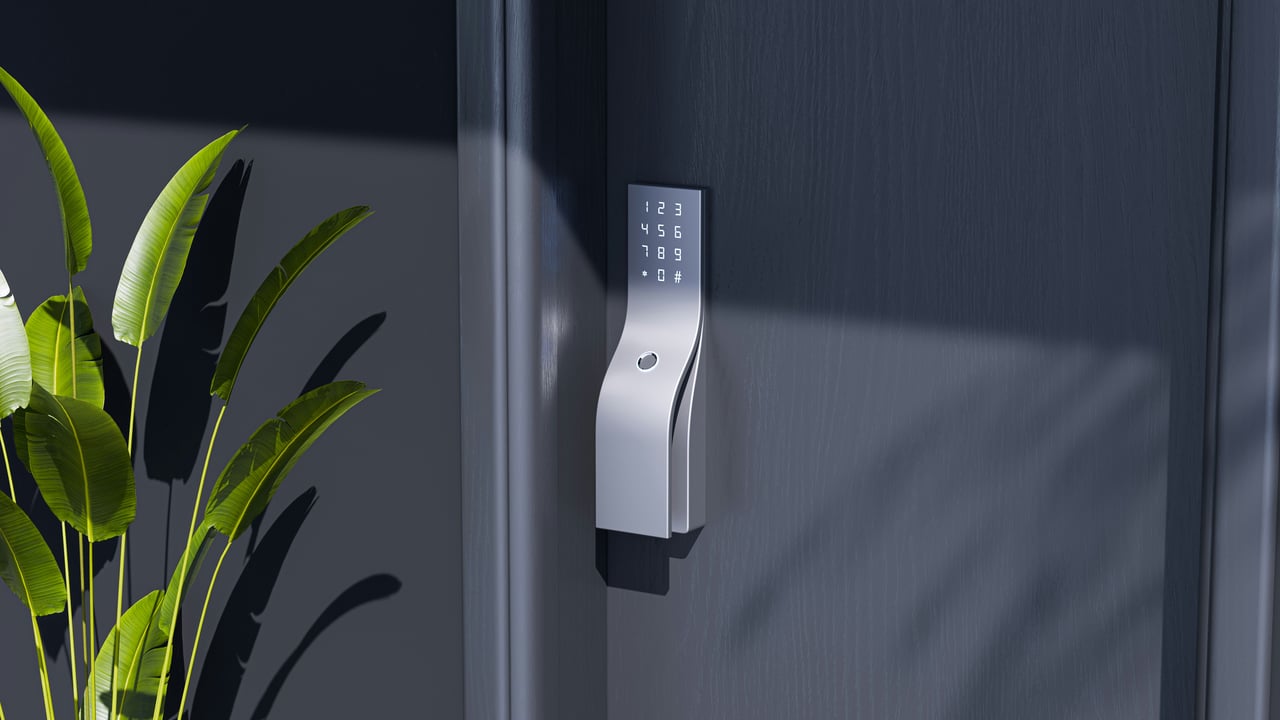
Keypads vs Traditional Door Locks: Which Is Better for Today’s Buyers?
When touring homes in Westchester County, most buyers focus on kitchens, bathrooms, and layout.
But one feature that’s quietly becoming a big deal?
How you actually get into the house.
More and more homes—especially updated or renovated ones—are replacing traditional locks with keypad and smart lock systems. And while it may seem like a small detail, it can have a real impact on convenience, security, and even resale value.
Here’s what you should know before choosing between the two.
What Is a Keypad (Smart Lock) System?
A keypad lock allows you to unlock your door using:
-
A PIN code
-
A smartphone app
-
Fingerprint or biometric access (in higher-end models)
Many systems can also:
-
Create temporary access codes (great for guests or contractors)
-
Track who enters and when
-
Integrate with home automation systems
Traditional Door Locks: Still the Standard
Traditional locks use a physical key and are still found in the majority of homes across Chappaqua, Scarsdale, and surrounding Westchester towns.
They’re simple, familiar, and don’t rely on technology.
But simplicity comes with trade-offs.
Pros of Keypads & Smart Locks
1. No More Keys to Lose
Buyers love this. No lockouts, no spare keys, no hiding keys under rocks.
2. Easy Access for Family & Service Providers
You can assign:
-
Kids their own codes
-
Cleaners or contractors temporary access
-
Real estate agents one-time entry
3. Added Security Features
Many smart locks:
-
Auto-lock after a set time
-
Send alerts when doors open
-
Integrate with cameras and alarm systems
4. Strong Appeal for Modern Buyers
In today’s market, especially with younger buyers relocating from NYC, smart features can make a home feel more “move-in ready.”
Cons of Keypads & Smart Locks
1. Battery Dependence
If the battery dies, you could be locked out (though most have backup options).
2. Potential Tech Issues
WiFi problems, app glitches, or system resets can create headaches.
3. Learning Curve
Not all buyers—especially older ones—want to deal with apps and codes.
Pros of Traditional Locks
1. Reliability
They just work. No batteries, no software, no updates.
2. Lower Cost
Much cheaper to install and replace.
3. Simplicity
Ideal for buyers who prefer low-maintenance homes.
Cons of Traditional Locks
1. Lost Keys = Bigger Problem
Rekeying or replacing locks can be a hassle.
2. No Tracking or Control
You have no idea who accessed your home—or when.
3. Less Competitive Appeal
In higher-end or newly renovated homes, traditional locks can feel outdated.
What Buyers in Westchester Should Really Consider
From my experience working with buyers across Westchester real estate, this decision isn’t just about preference—it’s about lifestyle.
Ask yourself:
-
Do you want convenience and control, or simplicity and reliability?
-
Will multiple people need access to the home regularly?
-
Are you comfortable managing basic technology?
My Take as a Local Broker
In today’s market, keypad and smart locks are becoming the expectation—not the upgrade—especially in renovated homes.
That said, the best setup I often recommend to clients is:
👉 A smart lock with a physical key backup
You get the best of both worlds:
-
Modern convenience
-
Old-school reliability
Final Thought
It’s easy to overlook something as simple as a door lock when buying a home.
But the small details—especially the ones you use every single day—can make a big difference in how the home actually feels to live in.
And in a competitive market like Westchester, even features like this can subtly influence both buyer perception and resale value.