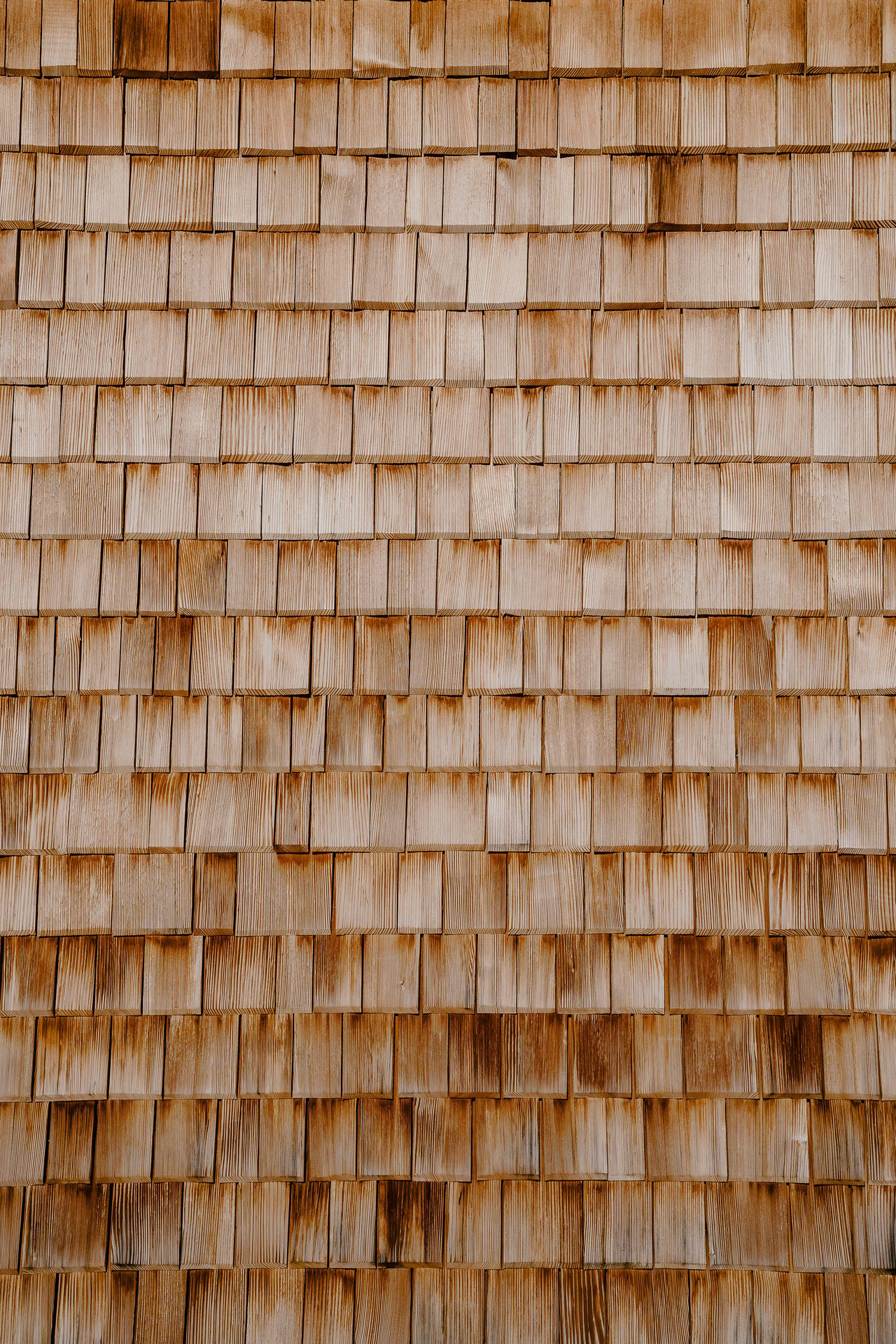
Cedar siding is one of the most beautiful exterior finishes you'll find on a home. It gives a house warmth, character, and timeless curb appeal that synthetic materials often struggle to match. Throughout Westchester County, Chappaqua, Pleasantville, Bedford, and many other Hudson Valley communities, cedar-sided homes remain highly desirable.
However, cedar isn't a "set it and forget it" material. Before buying a cedar-sided home—or if you're preparing to sell one—it's important to understand the ongoing maintenance costs that come with owning it.
Why Cedar Requires Regular Maintenance
Unlike vinyl or fiber cement siding, cedar is a natural wood product. It expands and contracts with changing weather conditions and is constantly exposed to moisture, UV rays, insects, and temperature swings.
Without proper maintenance, cedar can:
- Fade from its rich color to gray
- Crack or split
- Develop mold or mildew
- Become vulnerable to rot
- Attract insects in damaged areas
Cedar service life depends on installation, exposure, moisture management and maintenance. Do not assume a fixed remaining lifespan for the siding on a particular home.
Build a Budget From the Actual Scope
There is no reliable single annual cost for every cedar-sided home. Obtain local written quotes that separate cleaning, preparation, refinishing and repairs. Siding area, height and access, coating condition, damaged boards and the chosen finish can change the scope substantially.
Keep two budget categories: work needed now and a reserve for future refinishing. Ask whether a quote includes trim, access equipment, materials, disposal and any repair allowance. A low headline price may exclude work included in another estimate.
Staining or Painting
Identify the existing finish before choosing a maintenance plan. The Western Red Cedar Lumber Association's finishing guidance explains that surface preparation and cleaning are important to a new coating's performance. Its care and maintenance guidance describes the effects of weathering and discoloration. Follow the specific coating manufacturer's instructions and ask a qualified contractor to assess compatibility.
Refinishing frequency depends on the finish, exposure and observed condition. Avoid assuming that every stained or painted home follows the same schedule.
An Illustrative Reserve Calculation
If a contractor's quote were $6,000 and your planning assumption were five years between similar jobs, dividing the two would suggest a $1,200 annual reserve, or $100 per month. These are hypothetical numbers showing the calculation, not a current Westchester price quote or a promised five-year service interval. Add separately for cleaning, repairs and possible cost changes.
Repairs Can Add Up
Even well-maintained cedar occasionally needs repairs.
Examples include:
- Replacing cracked shingles
- Repairing woodpecker damage
- Fixing moisture damage around windows
- Replacing sections affected by rot
Ask for a repair estimate based on observed damage and the cause of moisture entry. Hidden damage discovered during work can change the scope, so clarify how additional work will be priced and approved.
Is Cedar Worth the Cost?
For many homeowners, absolutely.
Cedar offers:
- Outstanding curb appeal
- Natural insulation properties
- Excellent longevity when maintained
- An appearance that some buyers value
Some buyers appreciate cedar on Colonial, Cape Cod and Craftsman-style homes; others prioritize lower maintenance. Do not assume the material alone guarantees a resale premium.
What Buyers Should Look For
If you're buying a cedar-sided home, don't just admire its appearance.
Ask questions like:
- When was it last stained or painted?
- Has any siding been replaced?
- Are there signs of rot near windows or doors?
- Has the home been professionally cleaned?
- Are there areas with peeling finish or excessive weathering?
A qualified home inspector can often identify maintenance concerns before they become expensive surprises.
Advice for Home Sellers
If you're selling a cedar-sided home, deferred maintenance is easy for buyers to spot.
Discuss appropriate cleaning and repairs with a qualified professional, and keep invoices and finish details for prospective buyers. Presentation can improve first impressions, but it does not guarantee a higher offer or recover every preparation expense.
Final Thoughts
Cedar siding is one of the most attractive exterior materials available, but it does require ongoing attention. Homeowners should plan on modest annual maintenance along with periodic staining or painting to protect their investment.
If you're buying or selling a cedar-sided home in Chappaqua, Pleasantville, or anywhere in Westchester County, understanding these maintenance costs can help you make smarter real estate decisions. At NestEdge Realty, we help both home buyers and home sellers evaluate not only a home's appearance, but also the long-term costs of ownership while identifying questions that require contractor or inspector review.
For related purchase questions, read our Westchester inspection guide. Matthew Gluck, founder and principal broker, helps clients evaluate ownership tradeoffs through NestEdge's buyer and seller services.