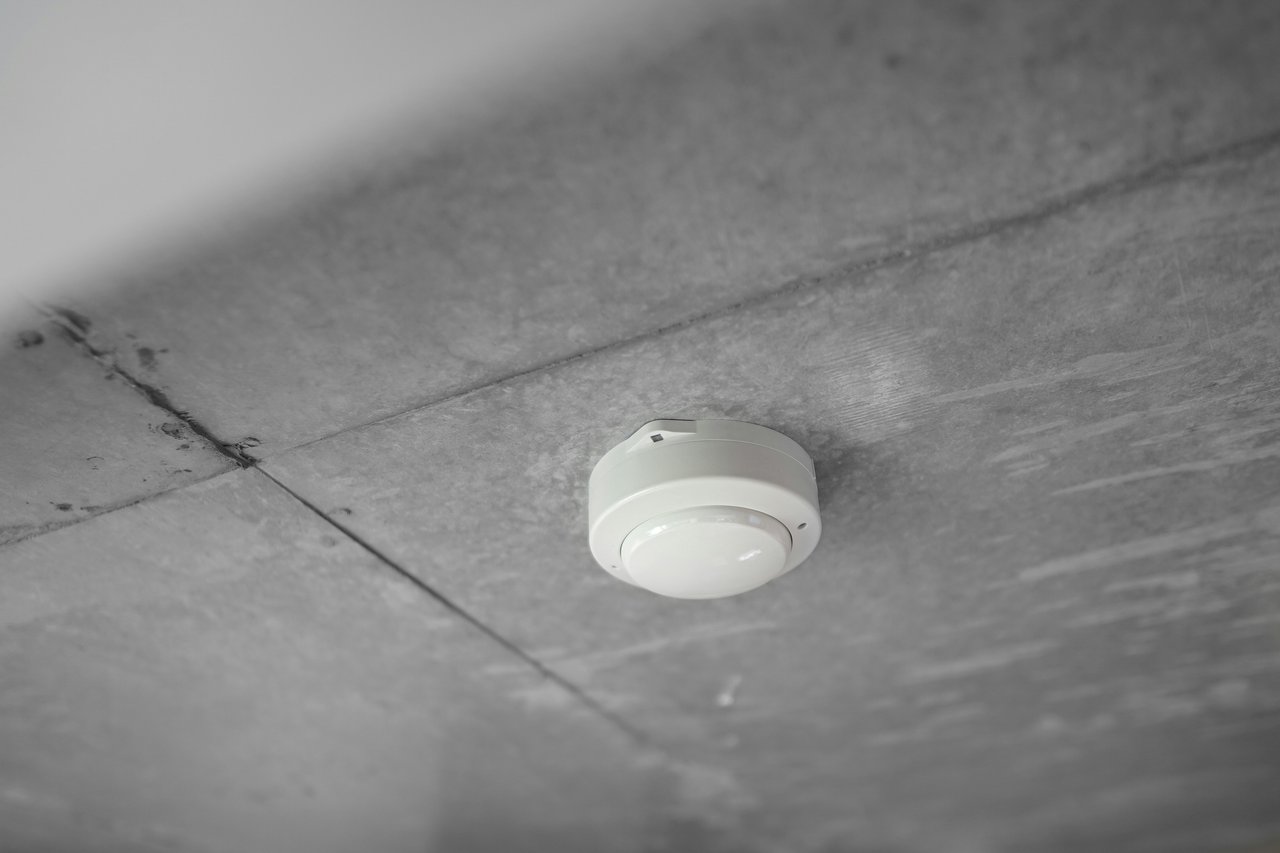
Smoke detectors are one of the most important — and most overlooked — safety devices in a home. Many homeowners remember to replace the batteries, but few realize the entire detector itself has a lifespan. Whether you own a home in Chappaqua or elsewhere in Westchester County, understanding when to replace smoke detectors can help protect your family and potentially save lives.
How Long Do Smoke Detectors Last?
For household smoke alarms, the U.S. Fire Administration recommends replacing the entire alarm every 10 years. Follow the manufacturer’s replacement date and replace sooner if the alarm fails or its instructions require it. A connected fire-alarm-system detector may have different service requirements; consult the system provider.
You can usually find the manufacturing date printed on the back or inside the detector. If the unit is more than 10 years old, it’s time for a replacement.
Many homeowners are surprised to discover they are living with detectors that are 15–20 years old.
Don’t Confuse Battery Replacement with Detector Replacement
Changing the battery does not reset the lifespan of the detector itself.
A good rule of thumb:
- Follow the manufacturer’s battery instructions; replace removable 9-volt batteries at least annually and address a low-battery signal promptly. Do not open a sealed battery unit.
- Test detectors monthly
- Replace the entire detector every 10 years
Use the manual to identify a low-battery, end-of-life or fault signal. Do not disable the alarm to stop a warning; replace a failed or expired unit promptly and contact the manufacturer or a qualified professional if the cause is unclear.
Signs Your Smoke Detector May Need Replacement Sooner
Even before the 10-year mark, there are warning signs that a smoke detector may be failing:
- Frequent false alarms
- Random chirping
- Failure to respond during testing
- Yellowing or discoloration
- Water damage or paint buildup
- Dust contamination from renovations
Homes undergoing remodeling projects in the Westchester real estate market often accumulate drywall dust and debris that can shorten detector lifespan.
Where Should Smoke Detectors Be Installed?
Current recommendations generally call for smoke detectors:
- Inside every bedroom
- Outside each sleeping area
- On every level of the home
- Near stairways
- In basements as part of coverage on every level
Many newer homes also include interconnected smoke detectors, meaning if one alarm sounds, they all sound.
Combination Smoke & Carbon Monoxide Detectors
Many homeowners today choose combination smoke and carbon monoxide units. These can simplify maintenance and provide broader protection.
Carbon monoxide and combination alarms have model-specific replacement dates. Follow the device’s label, manual and end-of-life signal rather than applying a universal lifespan.
Why This Matters When Selling a Home
In the Westchester County real estate market, outdated or missing smoke detectors can become an issue during inspections and final walkthroughs.
Buyers are increasingly safety-conscious, and simple maintenance items like updated detectors help show that a home has been well cared for. Small details can impact buyer confidence during a transaction.
For homeowners preparing to sell, replacing outdated smoke and CO detectors is an inexpensive upgrade that can improve presentation and reduce last-minute issues before closing.
If you’re preparing to buy or sell in the Westchester real estate market, updated safety equipment should always be part of your home maintenance checklist.
Final Thoughts
Smoke detectors are easy to forget — until you need them. Replacing them every 10 years is a simple, affordable way to improve home safety and protect your investment.
A quick inspection of the manufacturing date today could make a major difference tomorrow.
Record the Dates and Check the Instructions
Record each alarm’s manufacture or replacement date and test it monthly using the manufacturer’s test procedure. Confirm placement and compatible replacement units with the instructions and applicable local requirements. Use a qualified professional for electrical work or interconnected-system questions.
Matthew Gluck, founder and principal broker of NestEdge Realty, helps buyers and sellers coordinate property questions. An article or agent’s observation does not certify alarm performance or code compliance. Explore seller services when planning sale preparation.