If you're buying a home with a septic system, the septic inspection is every bit as important as the home inspection. Unfortunately, many buyers don't fully understand what they're looking at, and a failing septic system can result in repairs costing anywhere from a few thousand dollars to well over $50,000.
Whether you're buying a country property in Bedford, North Salem, Somers, Pound Ridge, or anywhere else where homes rely on private septic systems, here are five things you should pay close attention to during a septic inspection.
1. The Age of the Septic System
Just like a roof or furnace, septic systems have a lifespan.
Many conventional septic systems last between 25 and 40 years when properly maintained. If the system is approaching the end of its expected life, buyers should budget for eventual replacement, even if the system is currently functioning properly.
Ask the inspector:
- How old is the system?
- Has it been upgraded or repaired?
- Are there records of previous maintenance?
A well-maintained older system may still have years of life left, while a neglected newer system can become a major problem.
2. Signs of Drainage Problems
One of the primary goals of a septic inspection is determining whether wastewater is flowing properly from the house to the septic tank and then into the leach field.
Warning signs include:
- Slow drains throughout the home
- Sewage odors near the tank or leach field
- Standing water in the yard
- Excessively green or lush grass over the leach field
These issues may indicate partial blockages, saturated soils, or a failing drain field—all of which can be expensive to address.
3. Condition of the Septic Tank
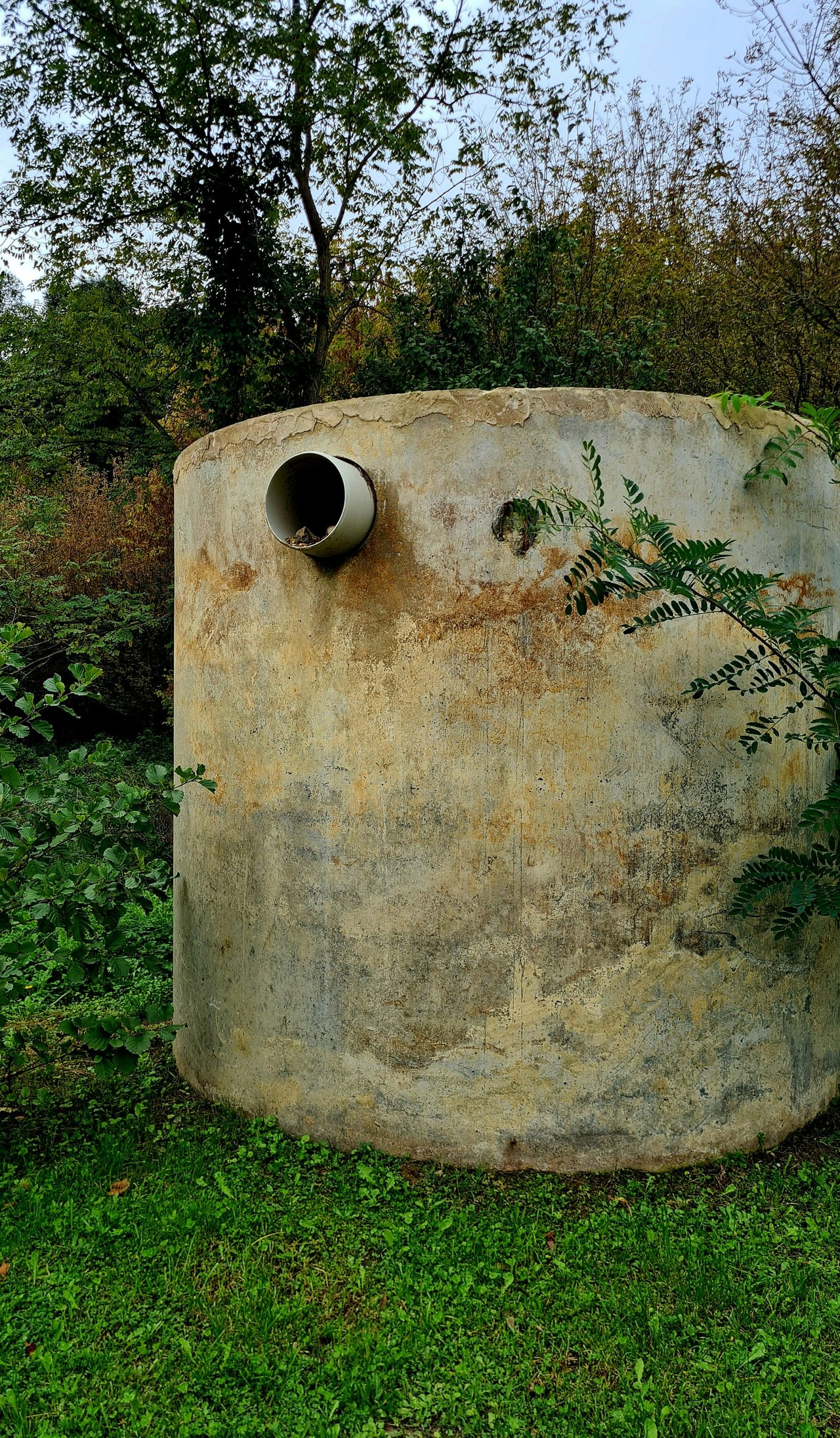
The septic tank itself should be evaluated for structural integrity and proper operation.
Inspectors will look for:
- Cracks in the tank
- Evidence of leaks
- Damaged baffles
- Excessive sludge buildup
- Signs of root intrusion
A damaged tank may need repair or replacement even if the rest of the system appears functional.
This is one reason why simply asking a seller whether the system "works fine" isn't enough. The system may be functioning today while hiding costly issues beneath the surface.
4. The Health of the Leach Field
The leach field is where treated wastewater is dispersed back into the soil. It's also one of the most expensive components to replace.
A septic inspection should evaluate whether the leach field is accepting wastewater properly and whether there are signs of failure.
Potential red flags include:
- Ponding water
- Soil saturation
- Sewage odors
- Backup into the home
- Evidence of previous repairs
A failed leach field often represents the largest potential septic expense for a homeowner.
5. Compliance With Current Regulations
Many older homes have septic systems that were installed decades ago under regulations that no longer exist.
While older systems are often grandfathered, buyers should understand:
- Whether the system meets current health department standards
- If future additions or renovations could trigger upgrades
- Whether permits and approvals are on file
- Any known violations or deficiencies
This becomes especially important if you're considering an addition, pool, guest house, accessory apartment, or significant renovation in the future.
Final Thoughts
Most septic systems are reliable, long-lasting, and relatively inexpensive to maintain when properly cared for. However, when problems occur, they can be among the most costly surprises a homeowner faces.
For buyers, a thorough septic inspection provides critical information that can influence pricing, negotiations, repair requests, and future budgeting.
Before purchasing any home with a septic system, make sure you're working with experienced inspectors who understand both the mechanical components and local health department requirements.
A few hundred dollars spent on a quality septic inspection today can save you tens of thousands of dollars tomorrow.
Thinking about buying or selling a home with a septic system in Westchester, Putnam, or Fairfield County? Contact NestEdge Realty. We help clients navigate inspections, negotiate repairs, and avoid costly surprises throughout the transaction process.