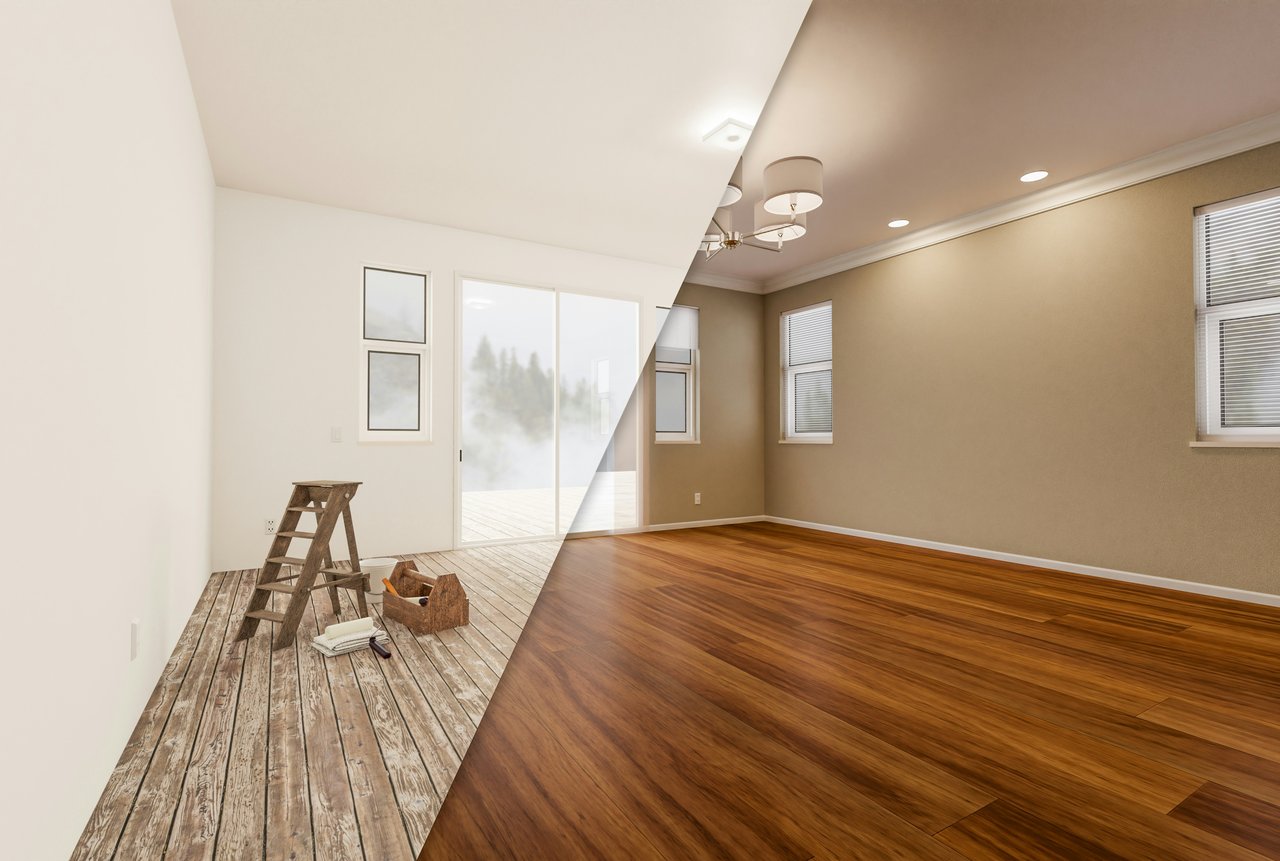
Buying a home is exciting, but it also comes with a long list of projects and decisions. One of the smartest improvements homeowners can make before moving in is refinishing hardwood floors. While it may seem like a project that can wait, tackling it before the furniture arrives can save time, money, and a tremendous amount of hassle.
1. It's Much Easier With an Empty House
Refinishing hardwood floors requires the entire floor surface to be accessible. Once furniture, rugs, and boxes are in place, everything must be moved from room to room or temporarily stored elsewhere.
In an empty home, contractors can work efficiently without obstacles, which may reduce furniture-handling work; ask for a written schedule and quote. You'll also avoid the inconvenience of living around a construction project.
2. Assess Which Wear Can Be Addressed
Many hardwood floors accumulate scratches, dents, discoloration, and finish wear over the years. Refinishing removes the damaged top layer and restores the wood's natural beauty.
The result depends on the wood, remaining wear layer and damage. Deep stains, movement or damaged boards may need separate repair and may not disappear with sanding.
3. You Can Customize the Color and Finish
Refinishing isn't just about repairing damage. It's also an opportunity to update the look of your home.
Many buyers discover that existing floor colors don't match their furniture, style preferences, or renovation plans. Before moving in, you can choose:
- Lighter modern stains
- Rich traditional tones
- Matte finishes
- Satin finishes
- Durable commercial-grade coatings
Making these decisions before furnishing the home ensures everything works together from day one.
4. Avoid Dust and Odors While Living in the House
Although today's refinishing products are better than ever, the process still creates dust, noise, and odors. Depending on the scope of work, homeowners may need to stay elsewhere while finishes cure.
Confirm ventilation, cleanup and the finish manufacturer’s drying and curing instructions before scheduling occupancy, furniture or rugs. An empty house simplifies the work but does not eliminate dust or curing requirements.
5. Protect Your Investment
Hardwood flooring is one of the most valuable features in many homes. Refinishing extends the life of the floor and helps prevent further deterioration.
Addressing worn finishes early can help avoid more costly repairs later, including board replacement or complete floor replacement.
6. Compare Refinishing With Replacement
Many buyers assume worn hardwood floors need to be replaced. In reality, most solid hardwood flooring can be refinished multiple times throughout its life.
Compare written refinishing, recoating, repair and replacement estimates. Sanding suitability depends on remaining wood thickness, prior sanding and condition; engineered floors need particular attention to the wear layer. See the National Wood Flooring Association’s refinishing guidance. There is no guaranteed resale return.
7. Start Fresh in Your New Home
There's something satisfying about moving into a home that feels truly yours. Freshly refinished floors create a clean, updated appearance and instantly make a home feel newer and more welcoming.
For many homeowners, it's one of those projects they wish they had completed before unpacking the first box.
The Bottom Line
If you're purchasing a home and the hardwood floors show signs of wear, refinishing them before move-in is usually the best time to do it. You'll avoid moving furniture twice, eliminate construction disruption, customize the look to your taste, and start enjoying your new home from day one.
At NestEdge Realty, we often recommend that buyers evaluate flooring, painting, and other major cosmetic projects before moving in. A little planning upfront can save a lot of inconvenience later.
Plan the Work After Possession
- Have a flooring specialist identify the material and assess whether sanding or a recoat is appropriate.
- Confirm which rooms, repairs, finish products, dust controls and cleanup are included.
- Coordinate other trades so later work does not damage the finished floor.
- Allow for curing time and a schedule change; obtain permission for any access before closing rather than assuming it is available.
Matthew Gluck, founder and principal broker of NestEdge Realty, can help buyers plan transaction timing and identify questions to take to a flooring professional. Explore NestEdge buyer services.