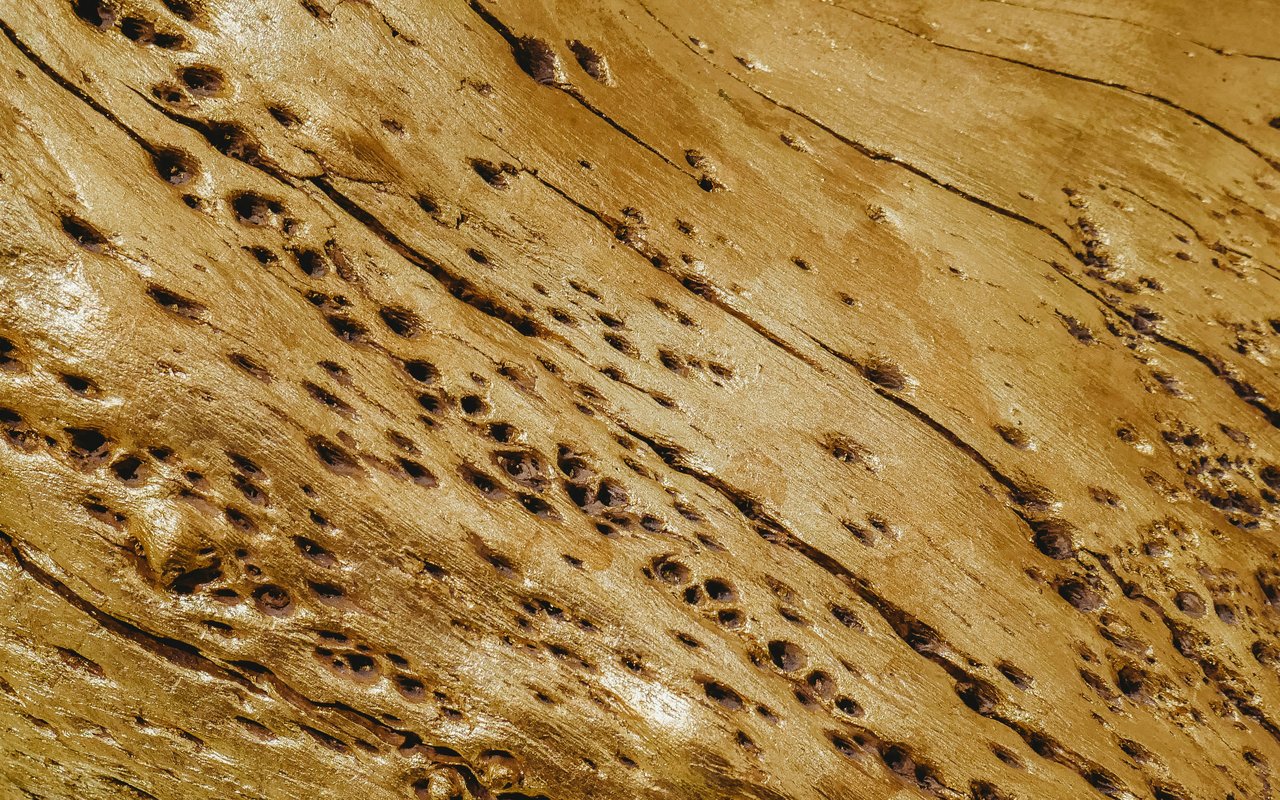
When most people think about major home inspection concerns in the Westchester Real Estate Market, they immediately think about roofs, foundations, HVAC systems, or water intrusion. But one issue that often flies under the radar — and can become extremely expensive — is termite damage.
In Westchester County, termite inspections are one of the most important yet overlooked parts of a real estate transaction. Whether you are buying a historic colonial in Chappaqua, a ranch in Pleasantville, or a newer construction home in Briarcliff Manor, termites can quietly cause structural damage for years before anyone notices.
The reality is simple: termites do not care how expensive your home is.
Are Termites Common in Westchester?
Termites can affect homes in this region, but this article does not provide a measured Westchester infestation rate. Evaluate the property rather than assuming a town-level risk ranking.
Westchester’s climate, older housing stock, wooded lots, and moisture-heavy environments create ideal conditions for subterranean termites, which are the most common type found in the Northeast.
Many of the homes throughout Westchester County were built decades ago, and some date back over 100 years. Older framing, crawl spaces, unfinished basements, wood-to-ground contact, and aging drainage systems can all increase termite risk.
Areas with heavy tree coverage and moisture retention — common throughout towns like Chappaqua, Armonk, Bedford, and Scarsdale — can be especially vulnerable.
The Biggest Problem With Termites: You Usually Don’t See Them
One of the most dangerous things about termite damage is how hidden it can be.
Unlike a roof leak or broken boiler, termites often work silently behind walls, under flooring, inside support beams, or beneath crawl spaces. By the time visible signs appear, damage may already be extensive.
Common warning signs include:
- Hollow-sounding wood
- Bubbling paint or warped trim
- Mud tubes along foundations
- Sticking doors or windows
- Soft or damaged floor joists
- Swarming insects near windows or lights
- Insect evidence requiring professional identification
However, many homeowners have absolutely no idea termites are present until a professional inspection occurs during a real estate transaction.
Why Termite Inspections Matter for Buyers
For buyers in the Westchester Real Estate Market, a termite inspection can protect you from inheriting a major financial problem.
Structural repairs from termite damage can easily cost thousands — and in severe cases, much more. Damage to sill plates, support beams, subfloors, and framing can become a major negotiation point during a transaction.
In some situations, lenders may even require treatment or repairs before closing.
A professional termite inspection helps buyers:
- Identify active infestations
- Discover prior termite damage
- Review treatment records and identify questions for the treatment provider
- Understand future maintenance risks
- Negotiate repairs or credits before closing
This is especially important in competitive Westchester markets where buyers may feel pressure to waive contingencies or move quickly.
Skipping termite inspections to “win” a deal can become a very expensive mistake later.
Sellers Should Take Termite Issues Seriously Too
Many sellers assume termite inspections are only the buyer’s concern. That is a mistake.
If termite damage is discovered late in the transaction, it can delay closing, create panic, or even kill a deal entirely.
Proactive sellers who address issues early often maintain stronger negotiating leverage and smoother transactions.
In many cases, the issue may be manageable with:
- Treatment
- Minor repairs
- Documentation of prior remediation
- Transferable termite warranties
The key is transparency and preparation.
A clean termite report can also give buyers additional confidence when purchasing older homes throughout Westchester County.
Older Homes in Westchester Require Extra Attention
Westchester is filled with beautiful older homes that buyers love for their charm, architecture, and location. But older homes naturally come with increased maintenance concerns.
Homes with:
- Dirt-floor crawl spaces
- Stone foundations
- Wood framing near grade
- Historic additions
- Moisture-prone basements
…may carry higher termite exposure risk.
This does not mean buyers should avoid older homes. It simply means inspections become even more important.
At NestEdge Realty, we often remind buyers that “old” does not automatically mean “bad” — but deferred maintenance and hidden damage absolutely matter.
A Termite History Does Not Always Mean a Deal Should Die
This is important for both buyers and sellers to understand.
A prior termite issue does not automatically make a home a bad purchase.
In fact, many homes in Westchester have had some level of termite treatment over the years. What matters most is:
- Whether the infestation is active
- The extent of any damage
- Whether repairs were completed properly
- Whether preventative measures are in place
Sometimes buyers panic the moment the word “termite” appears in an inspection report. Experienced real estate professionals know that context matters.
The right inspectors, contractors, and structural professionals can help determine whether the issue is cosmetic, manageable, or serious.
Moisture Control Is One of the Best Preventative Measures
Termites thrive in moisture-rich environments.
Simple preventative maintenance can significantly reduce risk:
- Proper gutter drainage
- Extending downspouts away from foundations
- Correct grading around the home
- Reducing wood-to-soil contact
- Fixing leaks quickly
- Managing crawl space humidity
Many termite problems begin because of long-term moisture conditions that homeowners may not realize exist.
Choosing the Right Home Inspector Matters
Not all inspections are equally thorough.
Some general home inspections may identify visible concerns, but dedicated termite or wood-destroying insect inspections often provide much more detailed analysis.
In the Westchester Real Estate Market, having experienced inspectors who understand older homes, local construction styles, and common regional issues can make a huge difference.
An experienced buyer’s agent should also help clients understand:
- What findings are routine
- What findings are major concerns
- What repair costs may realistically look like
- When additional structural evaluation is warranted
Final Thoughts
Termite inspections are one of those things that buyers hope never become an issue — until they are.
In Westchester Real Estate, where many homes are older, heavily wooded, and highly valuable, overlooking termite risks can lead to major financial surprises.
Treatment and repair feasibility depend on the findings, accessibility and extent of damage. Obtain specialist recommendations and written costs rather than assuming an issue is minor.
The key is having the right professionals, conducting proper inspections, and approaching findings calmly and intelligently instead of emotionally.
Whether you are buying or selling in Chappaqua, Armonk, Pleasantville, Scarsdale, Briarcliff Manor, or anywhere in Westchester County, termite inspections are simply too important to ignore.
Looking to Buy or Sell in Westchester?
At NestEdge Realty, we help buyers and sellers navigate the real-world issues that arise during real estate transactions — from inspections and negotiations to pricing strategy and closing preparation.
If you are thinking about buying or selling in Westchester County, our team is here to help guide you through the process with honesty, experience, and local expertise.
Confirm the Inspection Scope and Next Steps
Ask whether a wood-destroying-insect report is included or requires a separate service. A visual report covers accessible areas and is not a guarantee that concealed infestation or damage is absent. Symptoms such as sticking doors or warped trim have several possible causes. Use a qualified pest professional for identification and treatment, and an appropriate structural professional for suspected framing damage. See the EPA termite guidance.
Request prior reports, treatment records and warranty terms, including transfer conditions and exclusions. Coordinate lender requirements and any repair or credit agreement with the lender and attorney; neither an inspection nor a warranty automatically resolves every condition.
Matthew Gluck, founder and principal broker of NestEdge Realty, helps coordinate property and transaction questions. Explore buyer services and seller services.