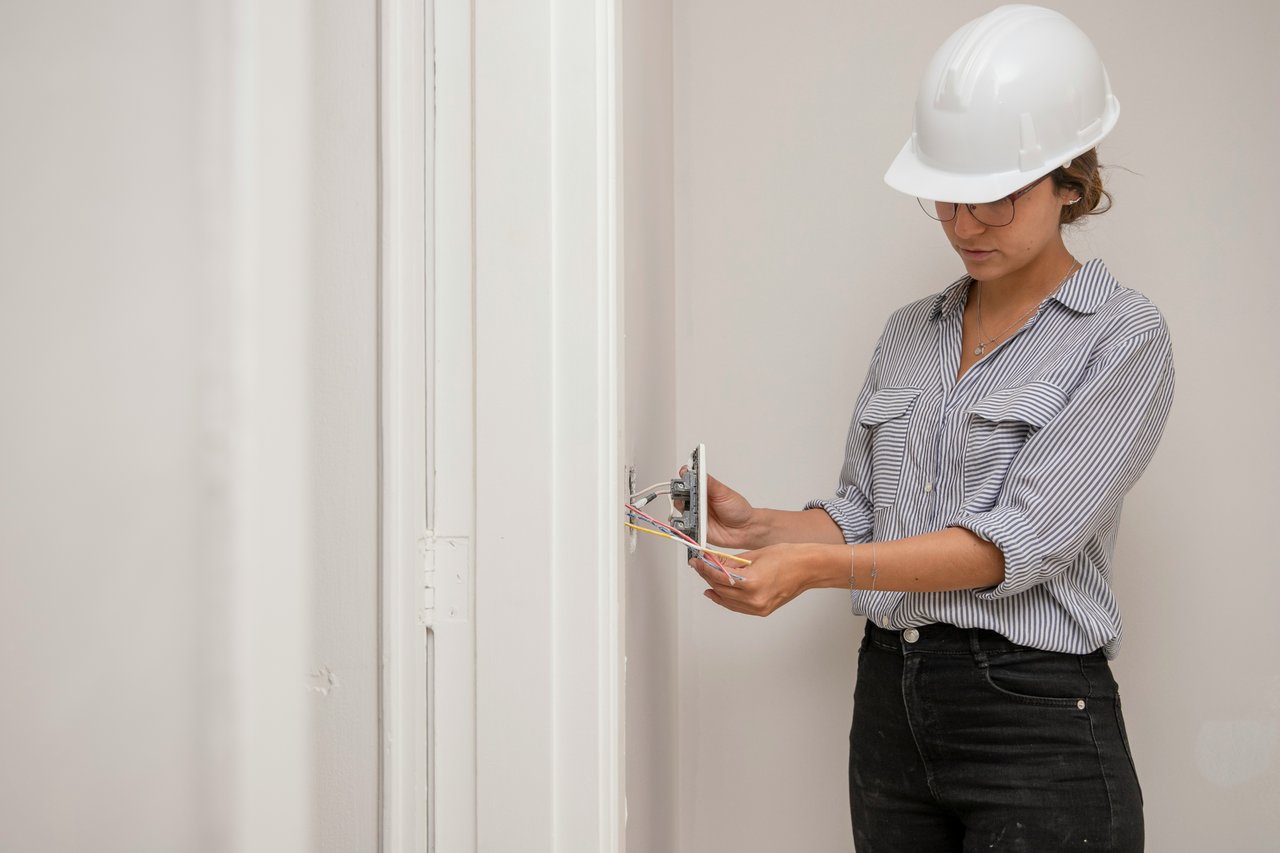
When I meet with Westchester homeowners who are thinking about selling but aren’t quite ready to start the process, I often recommend something that catches them off guard: a pre-inspection.
Most sellers assume that inspections are strictly a buyer’s responsibility. But in today’s market—where buyers are more cautious, inspectors are more thorough, and deals can fall apart over even small issues—a pre-inspection can give sellers a tremendous advantage.
Here’s why completing a home inspection before listing your home can save money, reduce stress, and ultimately lead to a stronger and smoother sale.
1. Identify Issues Before Buyers Do
Buyers almost always hire their own inspector, and those inspections tend to be extremely detailed. If the inspector uncovers problems you didn’t know about, you may suddenly find yourself scrambling to negotiate repairs, credits, or extensions.
A pre-inspection allows you to:
-
Uncover hidden problems such as electrical issues, minor leaks, damaged flashing, or aging mechanicals.
-
Decide which repairs are worth doing now versus disclosing to buyers.
-
Avoid being blindsided by last-minute discoveries that weaken your position.
Knowledge is power. The more you know about your home’s condition before listing, the more prepared you are to handle buyer questions confidently.
2. Avoid Last-Minute Negotiation Headaches
One of the most stressful phases of a real estate transaction is the inspection negotiation. A buyer’s inspector identifies problems, the buyer reacts emotionally, and suddenly the entire deal can feel fragile.
By doing a pre-inspection:
-
You control the timeline for repairs—not the buyer.
-
Buyers have less leverage to ask for large credits.
-
You eliminate “surprise factors” that could cause deals to fall apart.
Sellers who complete pre-inspections generally experience smoother negotiations because buyers feel reassured that the home has been well-maintained and transparently represented.
3. Increase Buyer Confidence and Perceived Value
Homes that come with a pre-inspection report communicate one important message: this seller is honest, proactive, and has nothing to hide.
Buyers appreciate transparency, and in many cases:
-
They’re more likely to move quickly with an offer.
-
They feel more comfortable bidding aggressively in a competitive situation.
-
They trust the home’s condition more because the seller has already invested in due diligence.
In Westchester, where many homes are older and full of unique quirks, giving buyers this level of reassurance can dramatically improve their comfort level.
4. Make Your Realtor’s Pricing Strategy More Accurate
One of the hardest parts of pricing a home is understanding how its condition compares to competing inventory. A pre-inspection helps eliminate the guesswork.
It gives your agent:
-
A clear understanding of the home’s strengths and weaknesses.
-
The ability to price accurately and strategically.
-
The confidence to justify value when buyers raise questions.
A well-documented home often appraises more smoothly as well, reducing another friction point later in the process.
5. Increase the Home’s Marketability
In a busy real estate market, anything that helps your home stand out is a win. A pre-inspection report allows you to:
-
Advertise the home as “pre-inspected”—a major differentiator.
-
Highlight completed repairs with receipts and contractor documentation.
-
Offer buyers peace of mind that reduces perceived risk.
For some buyers—especially first-timers—this reassurance can be the difference between submitting an offer or walking away.
6. Spend Less on Repairs by Handling Them Early
Once a buyer’s inspection reveals an issue, repairs become urgent—and often more expensive. Contractors may charge a premium for last-minute work, and buyers frequently demand licensed professionals even for simple tasks.
When you discover issues months before listing:
-
You can obtain multiple quotes.
-
You can schedule tradespeople during slower periods.
-
You can choose cost-effective solutions rather than emergency fixes.
Proactive repairs nearly always cost less than reactive ones.
7. Minimize the Risk of a Deal Falling Apart
A significant percentage of failed real estate contracts collapse after the inspection phase. Buyers get nervous, negotiations drag on, and emotions begin to outweigh logic.
A pre-inspection dramatically lowers this risk by:
-
Eliminating surprises.
-
Reducing negotiation friction.
-
Building buyer trust from the start.
When everyone knows what they’re getting into before signing a contract, deals are far more likely to close smoothly.
Final Thoughts
A pre-inspection isn’t required, but for many sellers—especially those in older homes or competitive markets—it can be an invaluable tool. It puts you in control, strengthens your negotiation position, and helps create a smoother, more predictable sales process.
If you’re considering selling your home in Westchester in the coming months or years, I’m happy to walk through whether a pre-inspection makes sense for your situation.
Call / Text: 917-817-8270
Email: [email protected]