What Buyers and Sellers Need to Know
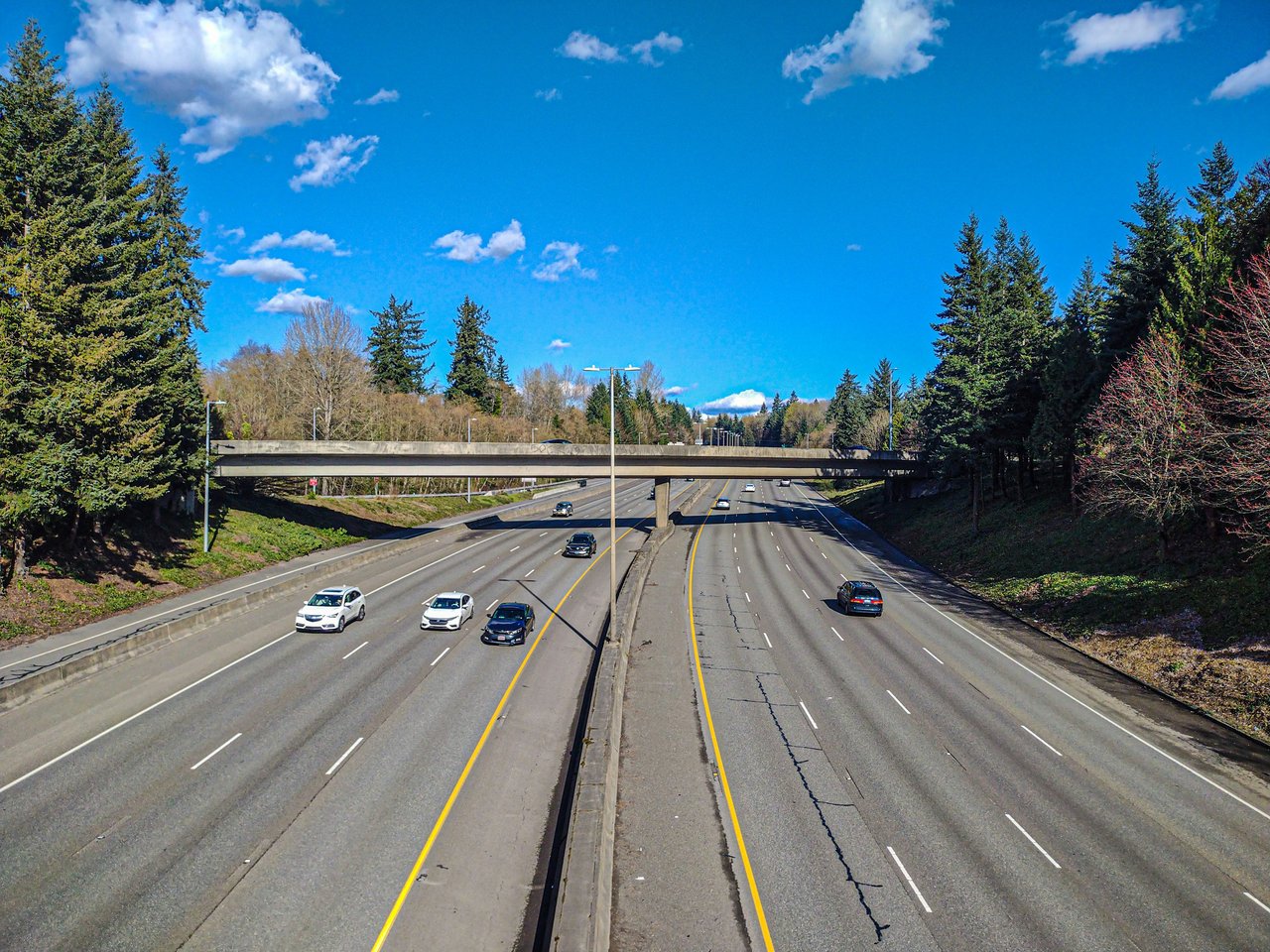
If you spend any time following the Westchester real estate market, you’ve probably heard agents talk about the difference between towns north and south of Route 287 (I-287).
While it’s not a hard rule, there is a clear pattern:
👉 Homes south of 287 typically command higher prices.
👉 Homes north of 287 often offer more space and value for the money.
Understanding why can help both buyers and sellers make smarter decisions.
What Route 287 Represents in Westchester Real Estate
Route 287 runs east-west through central Westchester and has become a convenient dividing line in real estate conversations. Historically, southern Westchester includes towns closer to New York City such as Scarsdale, Rye, Mamaroneck, Pelham, and Harrison, while northern towns include communities like Chappaqua, Bedford, Yorktown, Somers, and North Salem.
This geographic split aligns closely with commuting patterns, lifestyle differences, and housing stock.
Why Homes South of 287 Are Usually More Expensive
1. Proximity to New York City
Shorter commutes drive demand. Many southern Westchester towns offer quicker Metro-North access to Manhattan, which historically supports higher home prices.
For example:
-
Scarsdale homes often list around $1.4M on average.
-
Rye home values can exceed $1.8M on average.
These price points reflect commuter convenience, prestige school districts, and established downtown areas.
2. Walkability and Lifestyle Amenities
Southern Westchester tends to have:
-
More walkable village centers
-
Restaurants, shops, and waterfront access
-
Established neighborhoods with mature infrastructure
These lifestyle factors consistently add value.
3. Limited Inventory
Many southern towns are largely built out. When supply is tight and demand is strong, prices naturally rise.
Why Buyers Look North of 287
1. More Space for the Money
A well-known local observation is that a home placed from northern Westchester into a southern town might sell for $100K–$200K more simply due to location.
That’s why buyers often head north when they want:
-
Larger lots
-
Newer construction
-
Better price per square foot
2. Lifestyle Preferences
Northern Westchester offers a different vibe:
-
More suburban or semi-rural feel
-
Larger properties
-
Privacy and greenery
This has become especially appealing post-pandemic.
3. Value Growth Opportunities
Some northern markets have seen strong appreciation as buyers seek affordability while staying within commuting distance. County-wide, median single-family prices have approached roughly $985K–$1.3M depending on averages, reflecting sustained demand across the region.
Important Reality Check: The Line Isn’t Absolute
There are exceptions everywhere:
-
Luxury northern enclaves like Bedford or Waccabuc can rival southern prices.
-
Some southern areas remain relatively affordable.
Westchester real estate is hyper-local — school districts, taxes, condition, and micro-location matter more than a highway.
What This Means for Buyers
South of 287 may be best if you want:
-
Short commute
-
Walkable downtowns
-
Prestige districts
-
Higher long-term demand stability
North of 287 may be better if you want:
-
More house for your budget
-
Privacy or land
-
Potential appreciation upside
What This Means for Sellers
Understanding where your home sits in this north-south dynamic helps with:
-
Pricing strategy
-
Marketing positioning
-
Buyer targeting
Homes north of 287 often sell on value and lifestyle.
Homes south of 287 often sell on convenience and prestige.
Final Thoughts
Westchester offers incredible diversity in housing options. Route 287 isn’t just a highway — in many ways it’s a shorthand for two distinct real estate markets.
And the good news?
There’s no “better” side — only what fits your goals best.