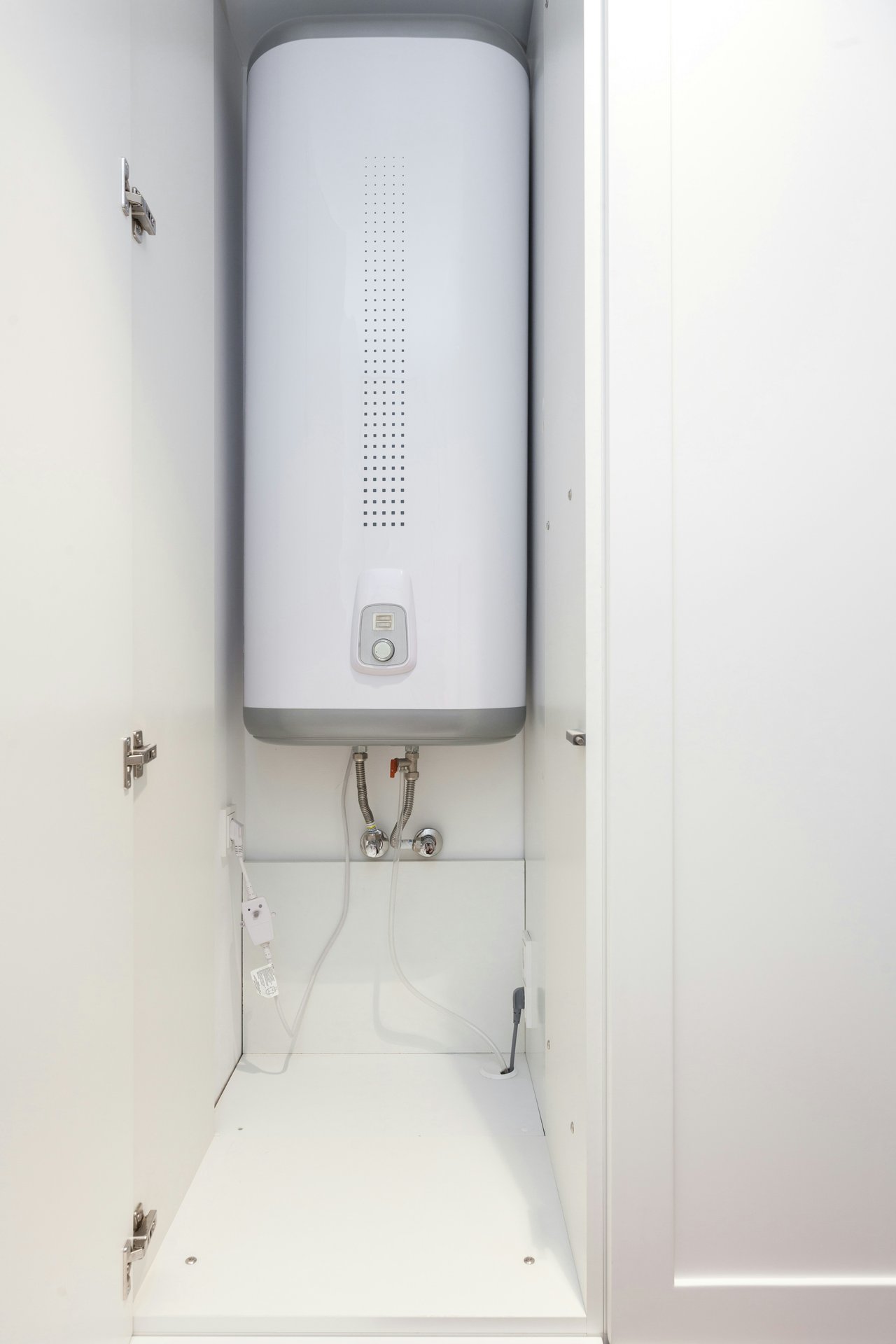
If you’ve ever run out of hot water mid-shower—or worse, during a busy morning with multiple people getting ready—you already understand the biggest flaw of traditional water heaters.
That’s exactly why tankless hot water heaters are becoming one of the most talked-about upgrades in homes across Westchester.
They’re efficient, compact, and deliver hot water on demand. But more importantly, they solve real problems buyers and homeowners actually care about.
Let’s break down why they’re worth serious consideration.
1. On-Demand Hot Water Within the Unit’s Capacity
The biggest advantage is simple: you don’t run out of hot water.
Traditional systems store a fixed amount—usually 40–80 gallons. Once that’s gone, you’re waiting.
Tankless systems heat water on demand, meaning:
- Ask the installer to calculate simultaneous shower demand
- Include appliances and fixtures that may run together
- Confirm the output available at the required temperature rise
For families, this is a game-changer.
2. Lower Energy Bills (More Efficient = More Savings)
Tank water heaters constantly heat and reheat water—even when you’re not using it.
Tankless systems only heat water when needed.
That translates to:
- Reduced energy consumption
- Lower monthly utility bills
- Less wasted heat
Over time, this efficiency can make a meaningful dent in your operating costs—especially in larger homes where hot water demand is high.
3. Longer Lifespan Than Traditional Tanks
A traditional tank water heater typically lasts 8–12 years.
A tankless system? 20+ years with proper maintenance.
That means:
- Fewer replacements over time
- Lower long-term cost of ownership
- Less chance of sudden failure (and flooding)
For homeowners thinking long-term—or sellers trying to position their home as “updated”—this matters.
4. Space-Saving Design
Tank heaters are bulky. They take up real square footage in basements, closets, or utility rooms.
Tankless units are:
- Wall-mounted
- Compact
- Easy to tuck away
In Westchester—where space can come at a premium—this is an underrated benefit. Every square foot counts, especially in smaller homes or finished basements.
5. Cleaner, More Modern Mechanical Systems
Buyers today are paying attention to more than just kitchens and bathrooms.
They’re looking at:
- HVAC systems
- Electrical panels
- Water heating systems
A tankless setup signals:
- Updated infrastructure
- Energy efficiency
- Model-specific maintenance requirements to review
It’s one of those upgrades that quietly builds confidence during a showing.
6. Reduced Risk of Water Damage
Traditional tanks can—and do—fail.
When they do, they can release dozens of gallons of water into your home.
Tankless systems:
- Don’t store large amounts of water
- Still require evaluation of piping, valves, connections and leak protection
For homeowners (and especially buyers), that peace of mind is huge.
7. Potential Boost to Home Value
While you won’t always get a dollar-for-dollar return, tankless systems can:
- Make your home more attractive to buyers
- Differentiate your listing in a competitive market
- Support a “move-in ready / updated systems” narrative
In a market like Westchester—where buyers are already stretching—modern systems can be the difference between hesitation and confidence.
The Trade-Offs (Let’s Be Real)
No upgrade is perfect.
Tankless systems do come with:
- Higher upfront installation cost
- Possible need for upgraded gas lines or electrical capacity
- Regular maintenance (descaling)
Compare installed and operating costs over your intended ownership period with suitable storage and heat-pump alternatives. Upfront changes and maintenance can alter the result.
Final Thoughts
Tankless hot water heaters aren’t just a “nice-to-have” anymore—they’re becoming a smart, strategic upgrade.
They solve everyday problems (running out of hot water), reduce operating costs, and improve how your home is perceived by buyers.
If you’re thinking about selling in the next few years—or just want a more efficient, modern home—it’s an upgrade worth serious consideration.
Thinking About Upgrades Before Selling?
At NestEdge Realty, we don’t just list homes—we help you make strategic decisions that maximize your sale price.
If you’re wondering which upgrades are actually worth it (and which are a waste), let’s talk.
Call / Text: 917-817-8270
Email:[email protected]
Get a System-Specific Proposal
Ask a qualified installer to document sizing, temperature rise, simultaneous flow, fuel or electrical capacity, venting, condensate handling, required permits and maintenance. Follow the manufacturer’s servicing and descaling instructions for your water conditions. On-demand heating does not mean hot water arrives instantly at distant taps.
For technical context, see the Department of Energy tankless installation guide. It is background guidance, not a substitute for current equipment instructions or local requirements. No installation guarantees a resale premium or lower total ownership costs.
Matthew Gluck, founder and principal broker of NestEdge Realty, coordinates property and sale-preparation questions. Explore buyer services and seller services.