When you live in Westchester, you don’t need a calendar to tell you winter has arrived. You feel it the moment you step outside. As a real estate broker who tours hundreds of homes each year—many of them built long before the modern insulation era—I’ve seen firsthand how dramatically heating efficiency can vary from one property to the next. And as temperatures drop, the way you heat your home becomes more than a comfort issue… it becomes a financial one.
If you're a homeowner in Chappaqua, Briarcliff, Pleasantville, Somers, or anywhere in Westchester, here are some smart, practical heating strategies that can keep your home comfortable and reduce your monthly expenses.
1. Schedule a Pre-Winter Service for Your Heating System
Whether you’re running oil, gas, or a heat pump, every system loses efficiency when it goes too long without maintenance.
A professional service visit can:
-
Improve energy efficiency by 10–15%
-
Identify safety issues (especially critical for older systems)
-
Extend the lifespan of your furnace or boiler
-
Reduce the likelihood of a mid-January breakdown—something no homeowner wants
If you’re buying an older Westchester home, I always recommend asking the seller for the latest service records.
2. Install a Smart Thermostat (It’s Worth It)
This is one of the easiest upgrades with one of the highest returns.
Smart thermostats like Nest and Ecobee:
-
Learn your heating patterns
-
Automatically lower temps when you’re out
-
Allow remote adjustments
-
Provide real-time energy reports
For many Westchester homeowners, the upgrade pays for itself within the first winter.
3. Seal Drafts in Older Homes (A Huge Problem in Westchester)
From Chappaqua colonials to 1920s Tudors in Scarsdale, our housing stock is charming—but often drafty.
Common culprits include:
-
Window frames
-
Door thresholds
-
Attic access panels
-
Fireplaces
-
Outdated or missing insulation
A simple home energy audit can reveal where your heating is literally escaping. Even small fixes can make a dramatic difference.
4. Reverse Your Ceiling Fans
Most homeowners don’t realize this one:
In winter, your ceiling fans should rotate clockwise to push warm air down into the room.
This single adjustment can improve comfort across all floors—especially in homes with cathedral ceilings, where heated air naturally rises.
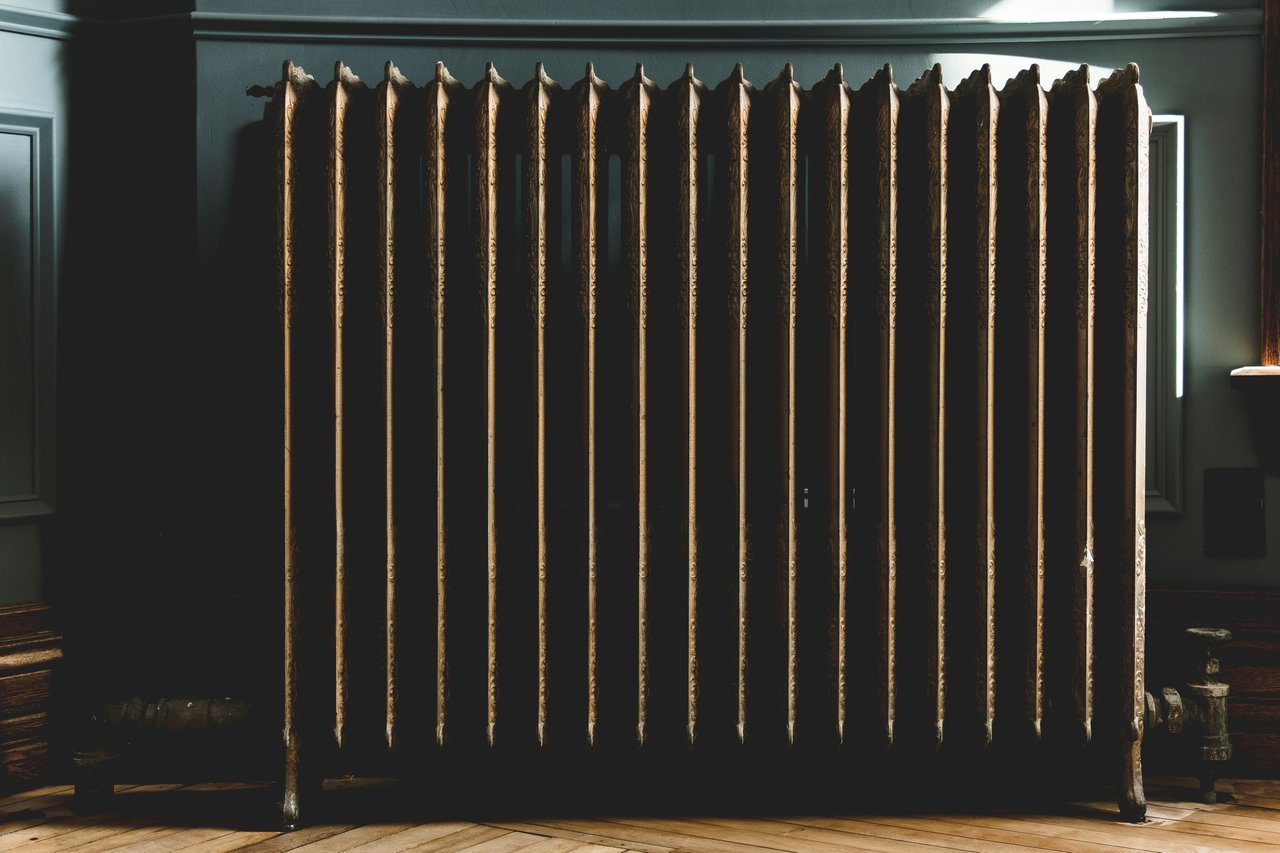
5. Bleed Your Radiators (Steam and Hot Water Systems Only)
If you live in an older Westchester home with radiators, trapped air can reduce their efficiency.
Bleeding them each winter:
-
Allows heat to circulate evenly
-
Reduces cold spots in the home
-
Puts less strain on the boiler
It’s a quick DIY task, but if you’re unsure, any HVAC professional can do it during a regular service visit.
6. Take Advantage of the Sun During the Day
A no-cost tip that adds up:
Open shades and blinds on the southeast and southwest sides of your home.
Sunlight naturally warms the interior spaces, and over a full winter, this can noticeably reduce your heating usage.
At sunset, close them again to help retain heat.
7. Replace Air Filters Regularly
If your home uses forced air:
-
Dirty filters restrict airflow
-
Your furnace works harder
-
Energy bills rise
-
Your system's lifespan shortens
Replace filters every 1–3 months, especially in homes with pets, older ductwork, or a lot of dust circulation.
8. Upgrade to Zoned Heating
Many large Westchester homes were built before zoned HVAC was common.
Zoning allows you to:
-
Heat only the spaces you use
-
Keep each level of your home at an ideal temperature
-
Avoid overworking the system
This is an upgrade that significantly improves comfort and resale value.
9. Consider a Modern Heat Pump for Long-Term Savings
Heat pumps have become much more efficient—and in many Westchester homes, they can serve as a primary or supplemental heat source.
Benefits:
-
Lower monthly costs
-
Both heating and cooling in one system
-
Reduced reliance on oil or propane
-
Possible NYSERDA rebates for installation
They won’t replace every heating system, but they are worth evaluating—especially for homeowners planning long-term improvements.
10. Don’t Overlook Humidity Levels
Dry winter air makes a home feel colder than it is.
A humidifier—either portable or whole-home—can:
-
Help rooms feel warmer at lower temperatures
-
Reduce static electricity
-
Protect wood floors and furniture
-
Improve overall comfort
Many Westchester homeowners see noticeable savings simply by improving their indoor humidity balance.
Final Thoughts
Heating your home efficiently in the coldest Westchester months isn’t about turning your thermostat down—it's about making smart adjustments that improve comfort, reduce waste, and protect your home. If you’re considering selling, these improvements can also make your home more attractive to buyers who increasingly value energy efficiency.
If you'd like customized recommendations based on your home, I’m always happy to help.
Call / Text: 917-817-8270
Email: [email protected]