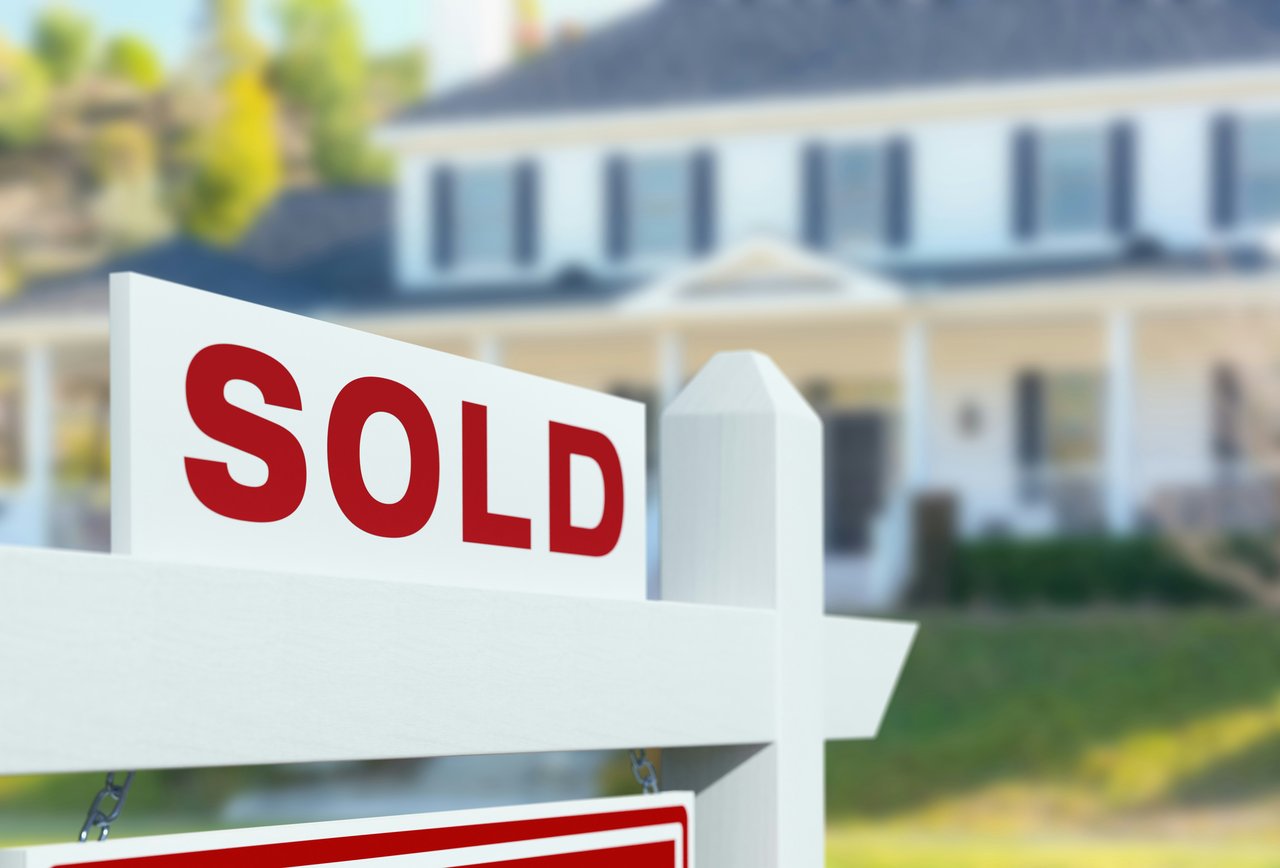
A for sale sign can help people recognize a Westchester listing and contact the agent. Whether it belongs in your yard depends on visibility, privacy preferences, property restrictions and the rest of the marketing plan. Neither using a sign nor omitting one guarantees a higher price.
What a sign can add
A visible sign identifies the property to buyers arriving for a showing and may prompt inquiries from people already in the area. It can also give neighbors a clear contact to share with someone interested in the home. That role complements online listing information, photography and scheduled tours.
Ask your agent how sign inquiries will be handled and recorded. A call is not the same as a qualified showing, and increased attention is not evidence that a particular marketing choice will produce a better offer.
Discuss privacy without assuming secrecy
You may prefer to avoid a yard sign because of your personal circumstances or unwanted walk-up inquiries. Tell your agent which concerns matter and agree on a visitor protocol. If the home is advertised online, omitting a sign does not make the address or sale private.
Do not equate “no sign” with an off-market listing. Ask the agent to explain the proposed listing status, where the property will appear and how buyers will gain access. Consider the exposure tradeoffs before choosing a restricted marketing approach.
Check placement and property restrictions
Before installation, confirm any applicable municipal, association or building requirements for size, placement and removal. Ask who will obtain any necessary permission. Coordinate placement so the sign does not obstruct access or sightlines, and discuss safe installation near landscaping or utilities with the installer.
For a condominium or cooperative, the relevant rules may differ from those for a detached house. Have the agent review the actual property’s requirements rather than using a standard assumption for every Westchester listing.
Coordinate the sign with the launch plan
Agree on the installation date, contact details and any riders before the listing launches. Ask your agent to confirm that the timing and wording align with the property’s actual status and applicable listing-service requirements. If a QR code or website link is included, test it and make sure it leads to the correct listing.
Review the sign when the listing status changes and establish who removes it at the end of the listing. A “coming soon,” open-house or sold rider should reflect the current plan and permitted use.
Evaluate results using the whole listing
Review showing feedback, inquiry sources, relevant competing homes and the asking price together. Do not assume that a sign makes a luxury home less desirable, that quiet marketing creates scarcity or that adding a sign alone will solve slow activity. Change the plan in response to evidence and your own constraints.
Compare offers using price, timing, contingencies and other terms with the appropriate professional advice. The eventual sale reflects the property, market and negotiated agreement; an agent cannot promise an above-asking result.
Discuss your Westchester marketing plan
Matthew Gluck can help you evaluate the sign as one part of a property-specific listing plan. Read our pricing guide and guide to choosing drone photography for related decisions. Call or text 917-817-8270, or email [email protected], to discuss responsibilities, timing and the exposure you want.