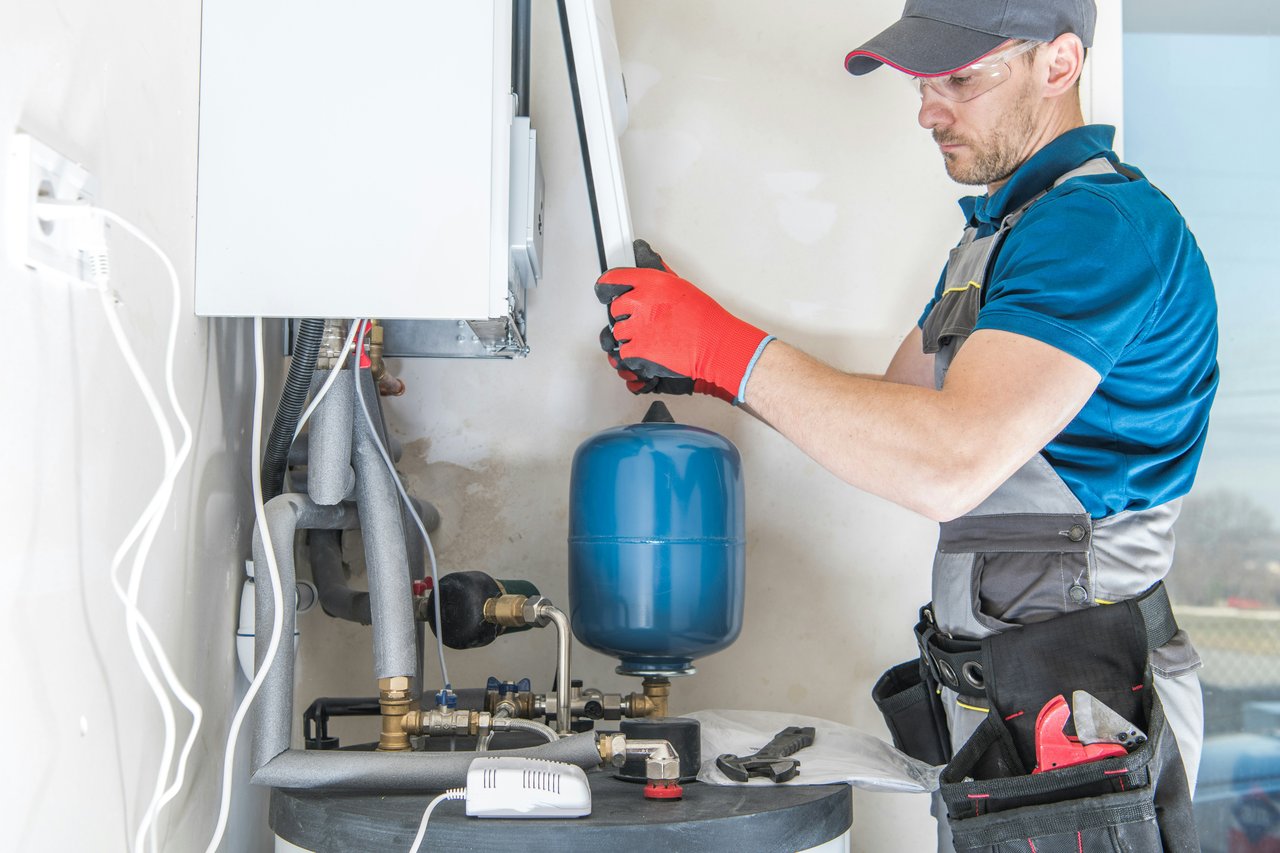
One of the most important decisions a homeowner will make—whether buying a home or updating an existing one—is choosing the right heating system. In Westchester County, where winters can swing from mild to brutally cold, your heating source heavily impacts your utility bills, comfort, and long-term maintenance costs.
If you’re a buyer touring homes in Chappaqua, Briarcliff, Somers, or anywhere in Westchester, understanding the differences between oil, gas, heat pumps, and electric heating is more important than ever. Here’s a clear, practical breakdown to help you make the right choice for your home.
Oil Heating: Traditional, Powerful, but Higher Maintenance
Oil heat remains common in older Westchester homes, especially in more rural pockets. It’s known for producing extremely warm, powerful heat—which many longtime homeowners love. But there are trade-offs.
Pros
-
Strong, consistent heat output, even during the coldest weeks of January and February
-
Better for older homes with radiators or baseboard systems that were originally designed for oil
-
No connection to a utility line, which can be a benefit in certain rural neighborhoods
Cons
-
Higher fuel costs, especially when oil prices spike
-
Requires on-site storage, meaning tanks need inspections and eventual replacement
-
More frequent maintenance to keep systems clean and efficient
-
More carbon emissions compared to modern alternatives
Best for:
Buyers of older homes who prefer radiant heat and don’t mind the maintenance—and properties where converting to gas is impractical.
Natural Gas Heating: Efficient, Clean, and Low-Maintenance
Natural gas is the gold standard for many Westchester buyers today. It's clean-burning, cost-effective, and offers easy maintenance compared to oil.
Pros
-
Lower operating cost than oil, especially with modern high-efficiency boilers
-
No tank needed, eliminating replacement/inspection concerns
-
Cleaner and quieter operation
-
Widely available in most neighborhoods
Cons
-
Not all homes—especially older or remote ones—are connected to gas lines
-
Converting from oil to gas can cost $10,000 to $25,000+, depending on line distance, boiler replacement, and interior plumbing
-
Price is still tied to energy markets
Best for:
Most Westchester homeowners looking for long-term efficiency and lower costs.
Heat Pumps: The Fastest-Growing Heating Choice in 2025
Heat pumps have exploded in popularity across Westchester because of state incentives, rising energy costs, and new all-electric building goals. Today’s heat pumps CAN handle Northeast winters far better than older models.
Pros
-
Extremely energy-efficient, lowering utility bills
-
Provides heating and cooling in one system
-
Eco-friendly, aligning with NY’s push toward electrification
-
Works well in newer homes or energy-efficient properties
Cons
-
Upfront installation cost can be higher than traditional systems
-
Older or drafty homes may need insulation upgrades to maximize performance
-
Backup heat (often electric resistance or gas) may be needed during extreme cold spells
Best for:
Homes looking for modern, efficient climate control—and buyers who want to future-proof against NY’s increasing electrification requirements.
Electric Baseboard or Electric Radiant Heating: Simple, But Often Costly
Many condos, smaller homes, and older renovations still use electric baseboards because they’re cheap to install. But long-term, they tend to be the most expensive heating source.
Pros
-
Low installation cost
-
Almost zero maintenance
-
No ductwork or piping required
-
Good supplemental heat source
Cons
-
Highest operating cost of all heating types
-
Not ideal for large homes
-
Slow to heat spaces
-
Not energy-efficient for a full home
Best for:
Small homes, condos, or as supplemental heat in renovations—but not ideal as a primary system.
Which Heating System Is Best for Your Westchester Home?
Here’s a quick rule-of-thumb guide:
-
If you want the lowest long-term heating cost: Gas
-
If you want ultra-efficient and eco-friendly: Heat pumps
-
If you prefer traditional radiant heat and a powerful boiler: Oil
-
If you're focused on upfront cost and simplicity: Electric baseboard
-
If you’re buying an older home: Oil or gas systems are most common
-
If you're buying new construction: Expect heat pumps
The best heating system ultimately depends on the home’s age, insulation, layout, and your plans for future renovations. When I tour homes with buyers, I always point out the system in place, its age, expected lifespan, and what a conversion would cost if they ever decide to change it down the line.
Final Thoughts
Heating isn’t just a utility—it's one of the biggest factors influencing your comfort, efficiency, and long-term homeownership costs in Westchester County. Understanding the differences helps you make smarter decisions, whether you’re evaluating a home you love or planning upgrades to the one you already own.
If you’re comparing two homes with different heating systems—or wondering if it's time to upgrade your current one—I’m always happy to walk you through the pros, cons, and cost expectations.