For the past several years, the Westchester real estate market has steadily shifted earlier and earlier. What used to be a February or March ramp-up has, in many cases, moved into January — with serious buyer activity sometimes beginning as early as MLK weekend.
But this winter may be different.
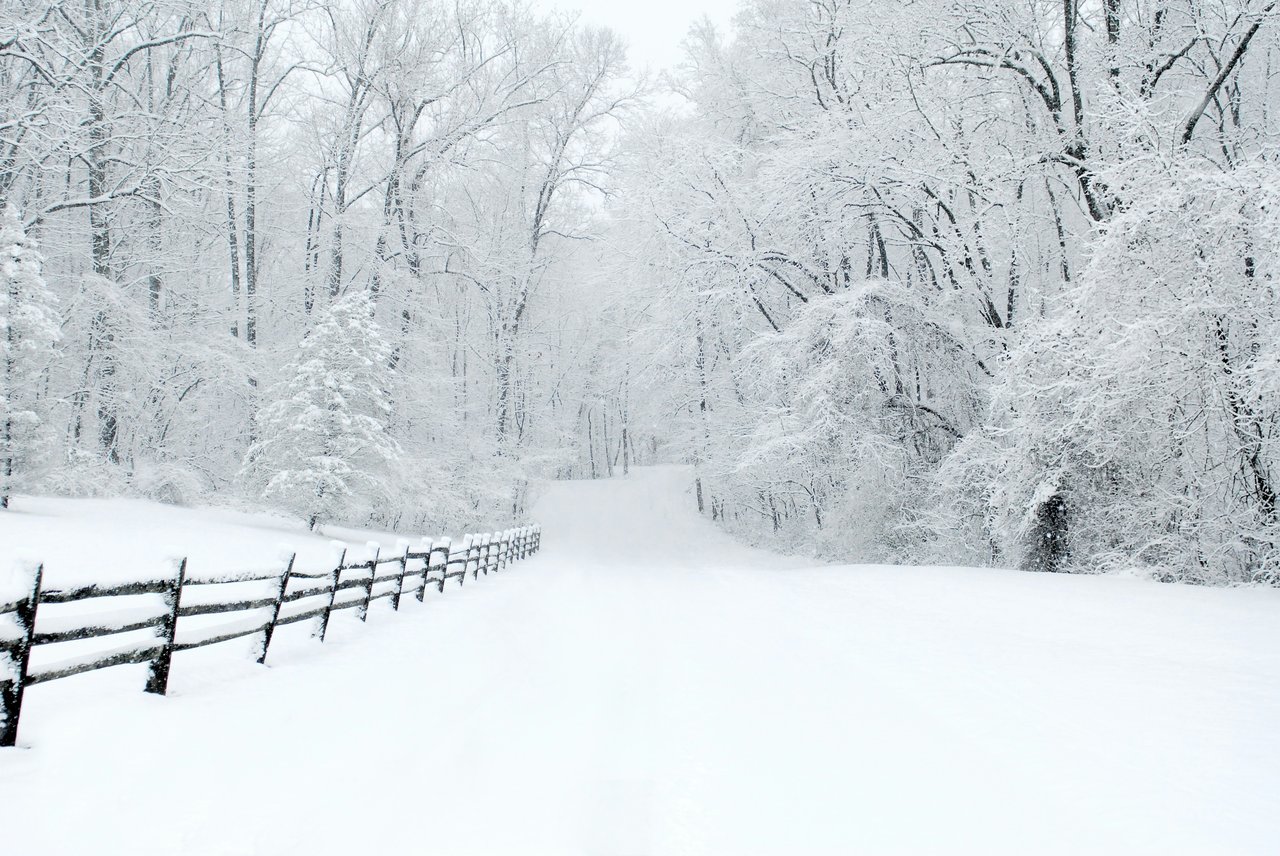
A significant winter storm system is forecast to bring heavy snowfall across Westchester County and the broader Hudson Valley, with some projections calling for well over a foot of snow. While snowstorms are nothing new in our region, a storm of this magnitude can have a meaningful impact on the timing of the early-season housing market.
Here’s why this year’s winter weather is likely to push back the traditional “early start” we’ve seen in recent years.
The Trend: Earlier Starts to the Spring Market
Since the pandemic, housing seasonality has shifted. National and regional data shows that peak buyer activity has been creeping earlier — often into late January and February — driven by:
-
Limited inventory pushing buyers to act sooner
-
Remote and hybrid work flexibility
-
Lower tolerance for waiting in competitive markets
-
Sellers trying to get ahead of the spring rush
In many recent years, motivated Westchester sellers were listing in January to capture pent-up demand before competition increased.
But heavy snow changes that equation.
How Snow on the Ground Slows Sales Prep
Even motivated sellers can’t always move forward on ideal timelines when winter weather hits hard.
1. Exterior Work Comes to a Standstill
Snow and ice delay critical curb-appeal projects such as:
-
Power washing
-
Exterior painting and repairs
-
Landscaping cleanup
-
Roof and gutter work
-
Driveway and walkway repairs
When a home can’t show well from the outside, many sellers choose to wait rather than launch with compromised first impressions.
2. Contractors and Stagers Face Backlogs
Snowstorms disrupt contractor schedules, deliveries, and inspections. Interior work — painting, flooring, lighting upgrades — may continue, but timelines often stretch. Professional stagers also see delays due to weather-related logistics.
That pushes listing timelines from late January into February or even early March.
3. Showings Are Less Productive in Heavy Snow
Buyers are less likely to attend multiple showings during storms, and properties don’t show as well with snow-covered yards, buried walkways, and limited natural light. Sellers often prefer to wait until conditions improve to maximize presentation and traffic.
What This Means for the 2026 Westchester Market
While national forecasts suggested a relatively mild winter, the current storm system is a reminder that Northeast weather still plays a real role in housing seasonality.
For Westchester specifically, this likely means:
-
A delayed surge of new listings
-
Heavier inventory hitting later in February or March
-
A more compressed and competitive spring market
-
Buyers facing more choices later — but more competition too
In other words, the early-January kickoff we’ve seen in recent years may give way to a more traditional (and possibly more intense) spring ramp-up.
Strategic Takeaway for Sellers
For homeowners thinking about selling in Westchester this year, the snowstorm creates both challenges and opportunities:
If you’re ready now:
You may benefit from lower competition and serious buyers — but only if your home is fully prepped and shows well despite winter conditions.
If prep is delayed:
You’re not alone. A February or early March launch may actually put you right in front of a wave of pent-up buyer demand once weather improves.
The key is to plan — not react.
Local Expertise Matters More in Weather-Driven Markets
Weather-driven shifts are one of the reasons hyper-local guidance is so important in Westchester real estate. National trends don’t always reflect what’s happening on the ground in Chappaqua, Scarsdale, Briarcliff Manor, Armonk, and surrounding communities.
At NestEdge Realty, we’re already seeing how this storm is affecting seller timelines, contractor schedules, and buyer activity — and helping clients adjust their strategies accordingly.
If you’re thinking about selling this winter or early spring, a customized, weather-aware plan can make a meaningful difference in pricing, timing, and ultimate results.