When you tour a Westchester or Chappaqua home, a cooktop is one part of the kitchen’s condition and suitability. Compare how you cook, the appliance’s condition and the cost of any proposed change. A fuel type or premium brand alone does not establish the home’s value or guarantee that an upgrade will pay for itself.
Gas cooktops: check the actual installation
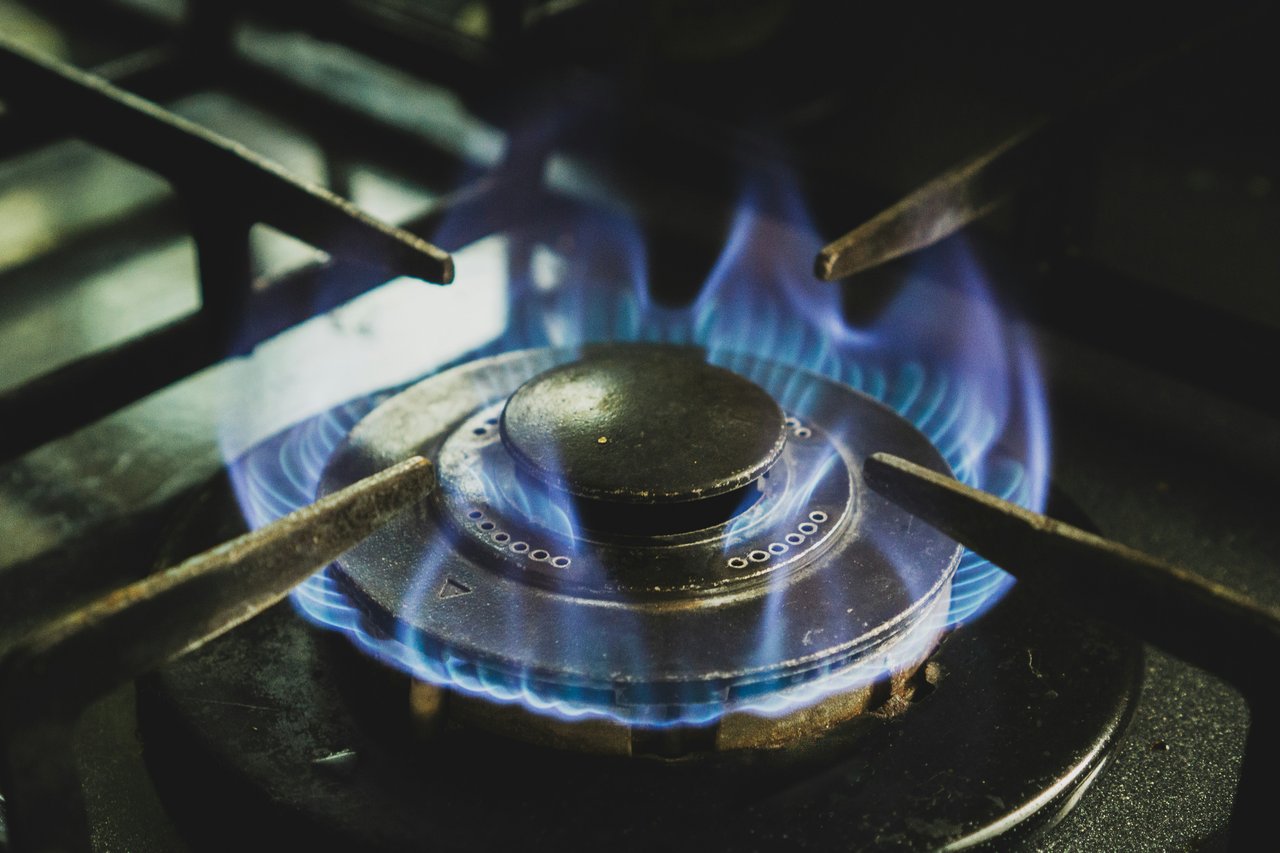
Gas burners provide a visible flame and adjustable heat. Ask for the model number, operating instructions and available service records. Have appropriate professionals evaluate installation and ventilation questions rather than assuming that an attractive range is correctly installed.
Power-outage operation depends on the appliance. GE’s guidance on electric-ignition gas burners addresses particular products; always follow the instructions for the exact model. Do not infer that every gas range or oven can operate during an outage.
Electric coil and radiant cooktops
Coil and smooth-top radiant appliances use electric heating elements. Compare the controls, burner layout, surface condition and cleaning instructions. A smooth surface may suit your preferences, but it can retain heat after cooking. Obtain the manual and follow its care and safety instructions.
An older coil appliance is a budgeting question rather than proof that an otherwise suitable home is a poor purchase. If replacement matters to you, request a realistic estimate instead of assuming that the swap is simple or that a seller will fund it.
Induction: cookware and electrical requirements matter
Induction uses an electromagnetic field to heat compatible cookware. The Department of Energy’s induction overview explains the technology and cookware considerations. Confirm compatibility before budgeting for a new appliance; replacing pans may be part of the cost.
Check the model’s electrical requirements and ask a qualified electrician whether the existing circuit and service are suitable. Do not assume that the surface is safe to touch after use; hot cookware can leave residual heat. Review controls and safety features in the manufacturer’s instructions.
Dual-fuel ranges and ventilation
A dual-fuel range combines a gas cooktop with an electric oven. Confirm both utility requirements before considering installation or replacement. Ask for a written scope that includes connections, clearances and any associated cabinet or countertop work.
For any cooking setup, identify whether ventilation exhausts outdoors or recirculates. An overhead hood and a downdraft system are not interchangeable simply because both are described as ventilation. Ask an appropriate professional to assess the actual setup against the appliance instructions and applicable requirements.
Budget for the whole project
- Appliance price, delivery and removal of the old unit.
- Electrical or gas work and any required approvals.
- Countertop openings, cabinet dimensions and ventilation changes.
- Cookware, maintenance and installation scheduling.
Buyers should include these costs in the home comparison. Sellers should compare the cost and disruption of replacement with the condition of the existing appliance and the overall preparation budget. Avoid treating an unsupported “2026 trend” or claimed resale premium as a reason to spend.
Connect kitchen choices to the home decision
Matthew Gluck can help you compare property condition and preparation priorities in the context of relevant sales. Browse Chappaqua homes and our Westchester first-time buyer guide. Use appliance specialists for technical questions and decide which features matter to your own daily use.